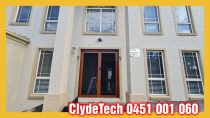
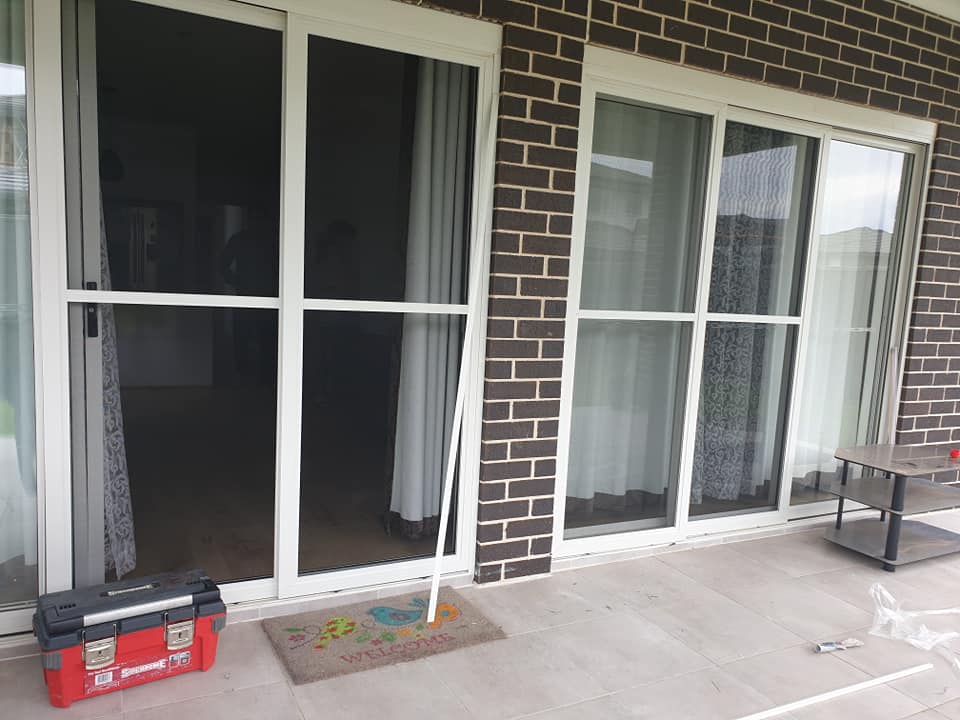
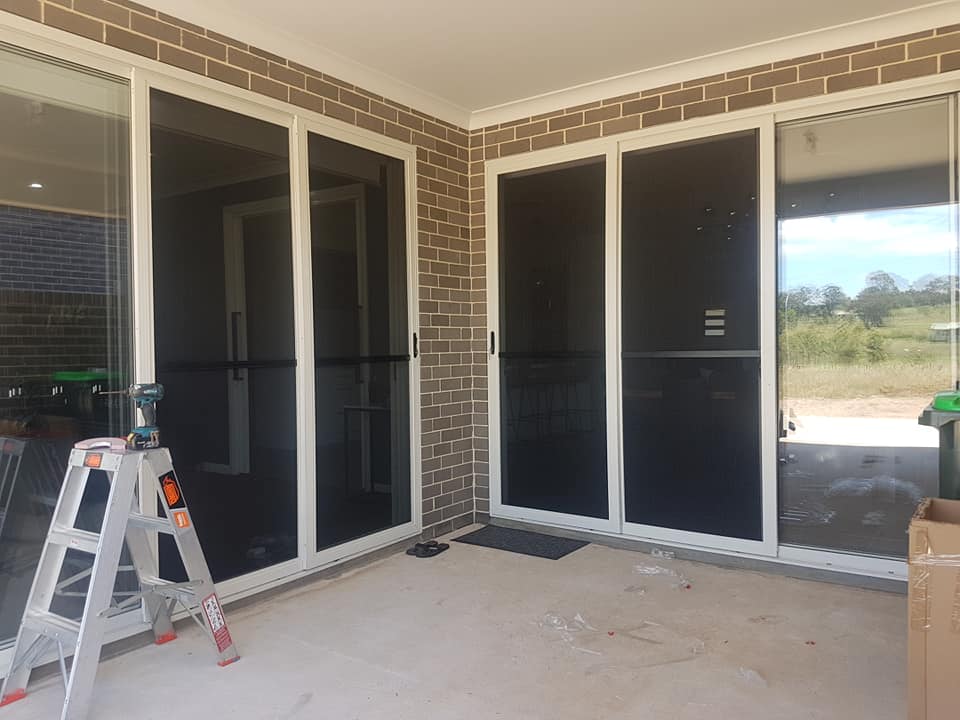
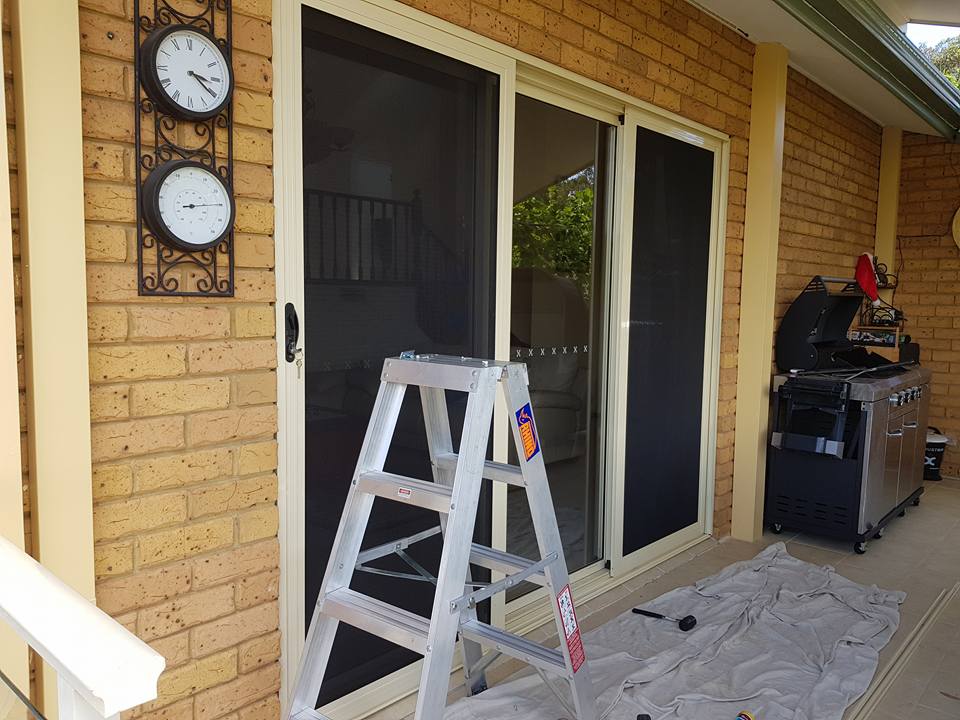
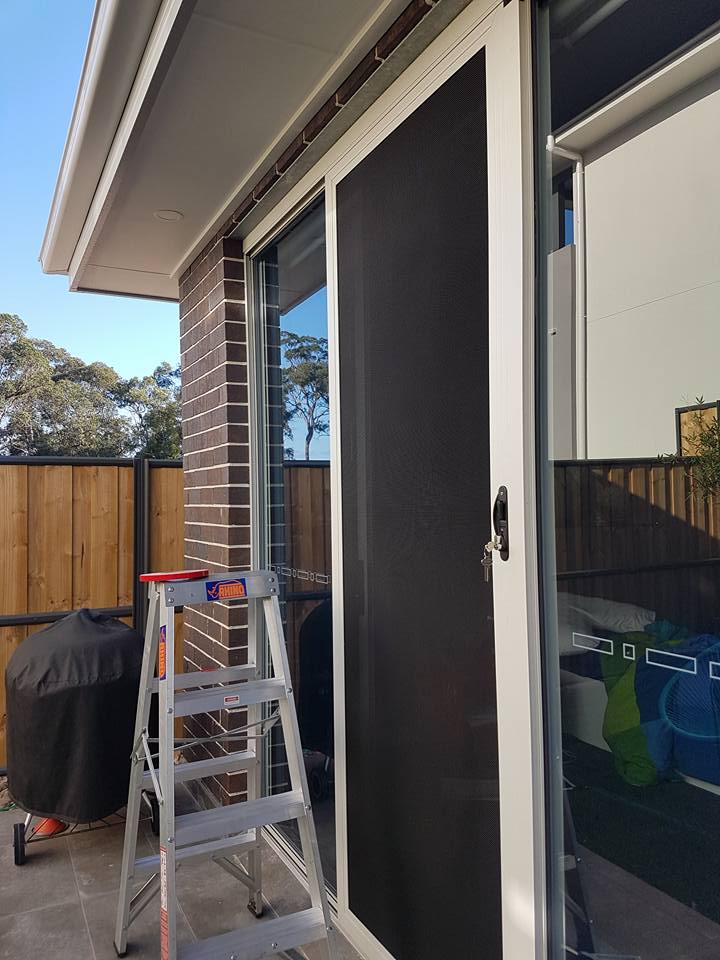
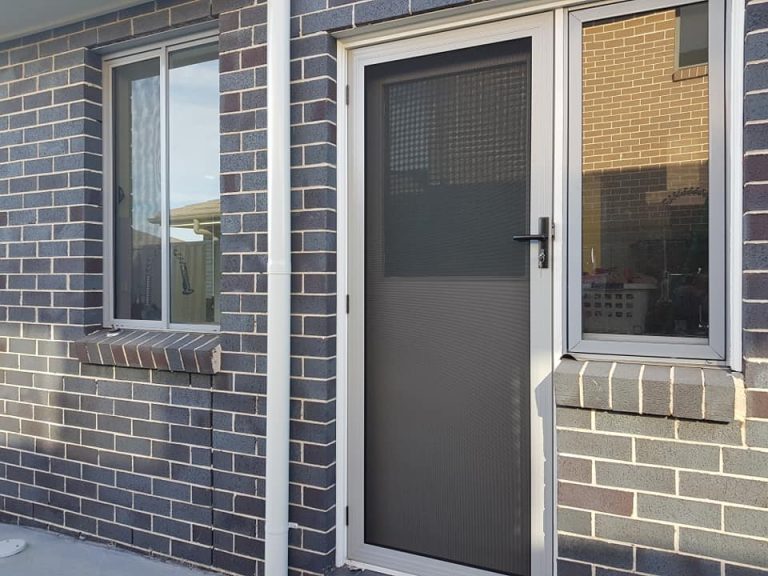
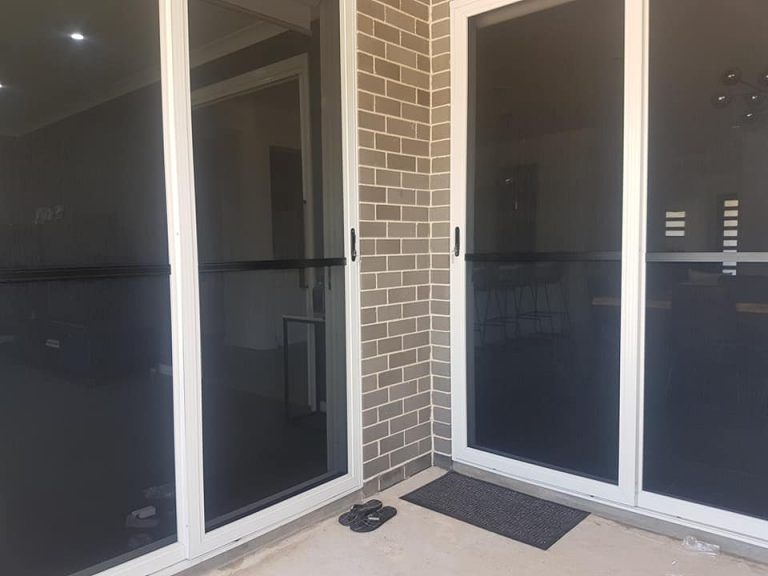
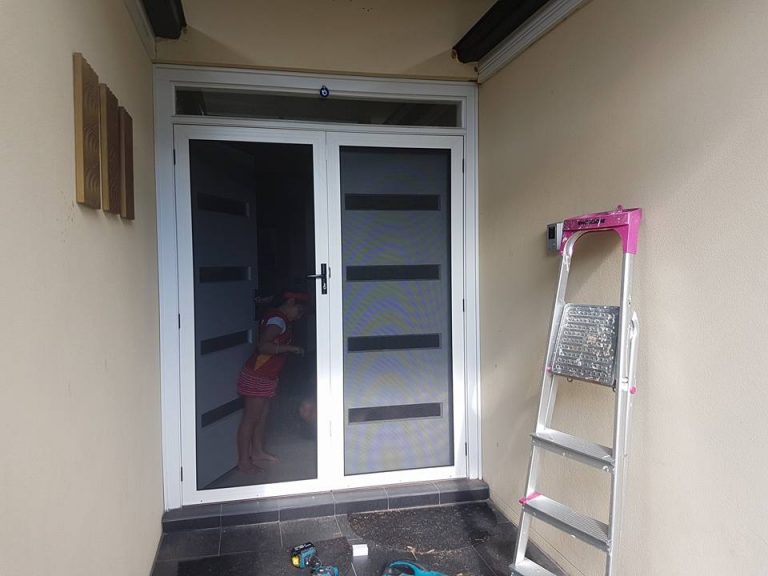
SECURITY DOORS RICHMOND NSW O451 OO1 O6O

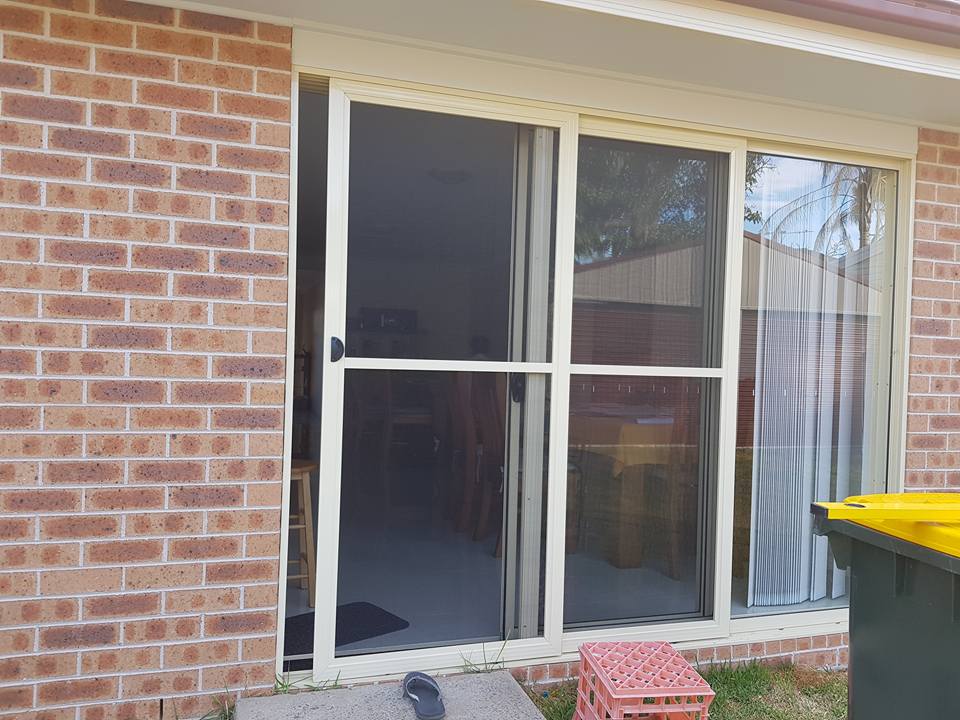
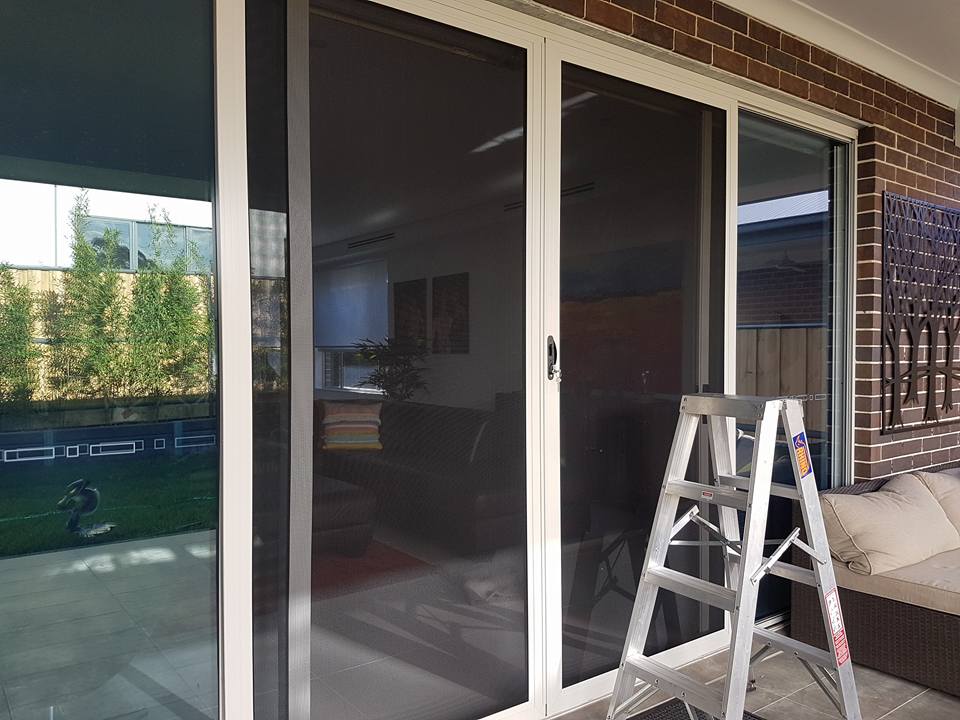
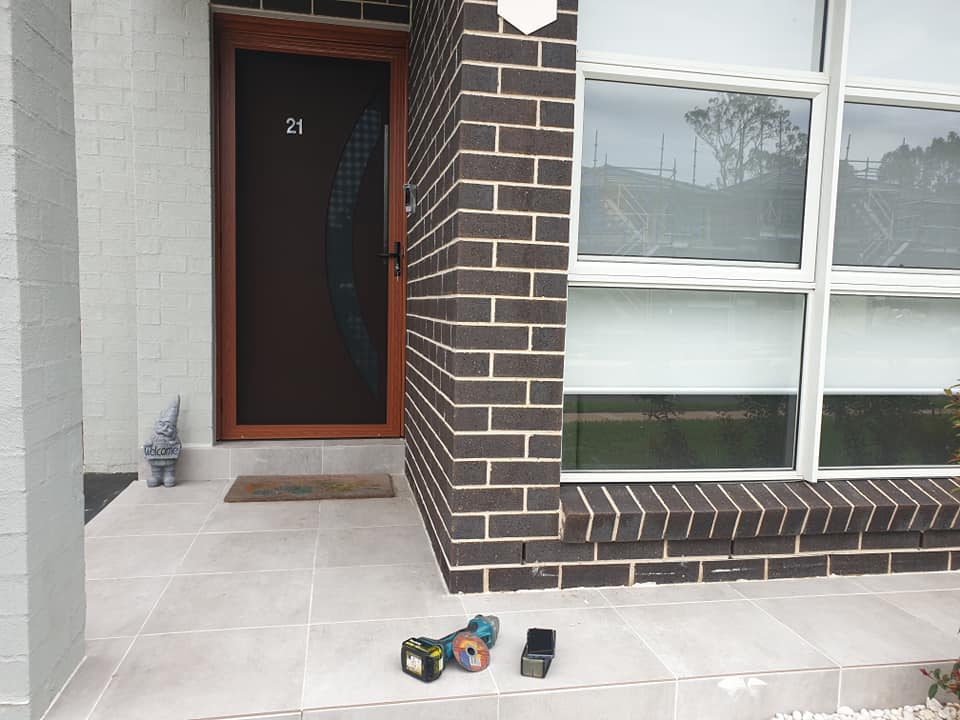
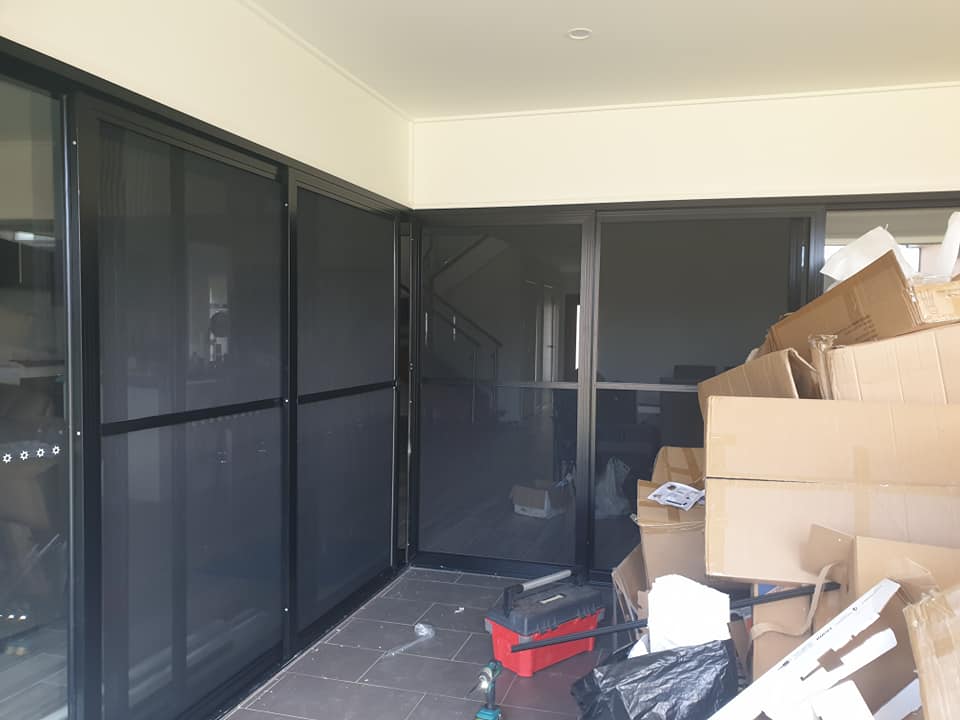
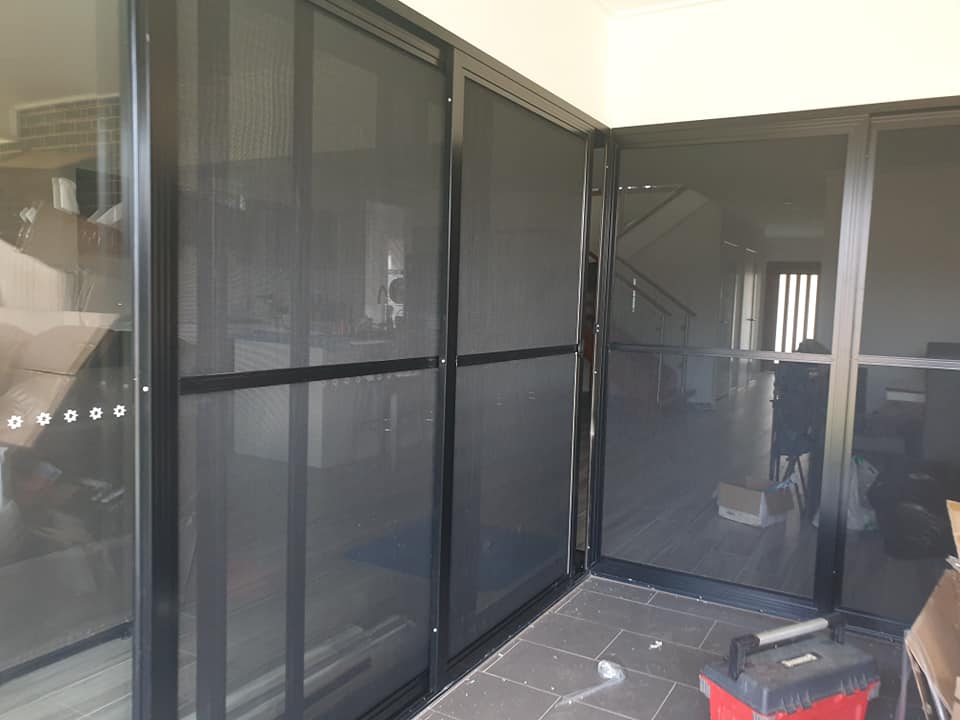
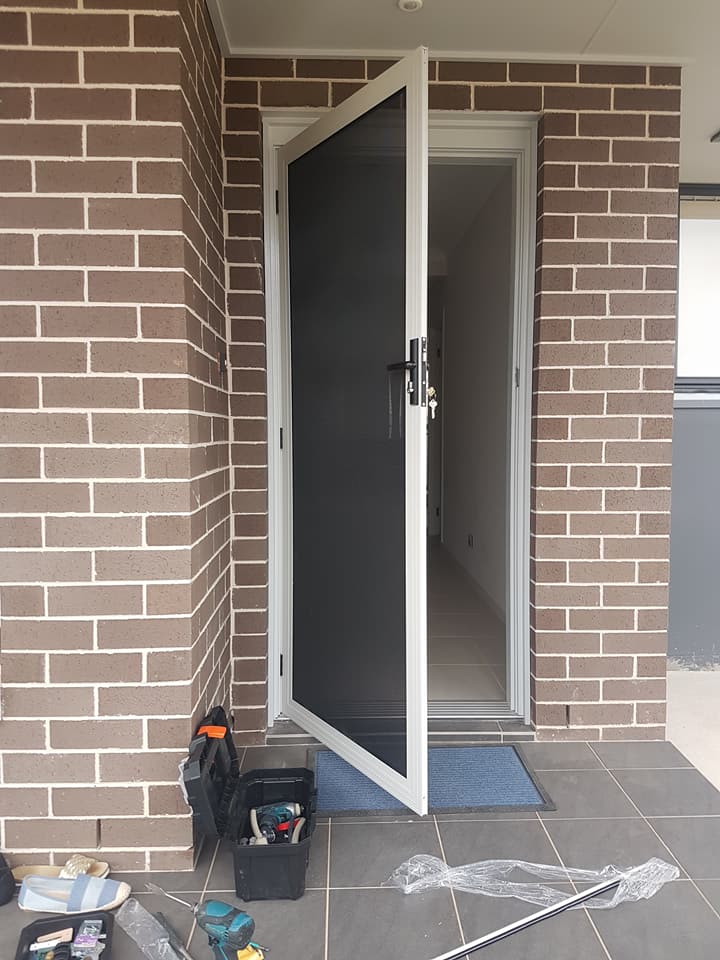
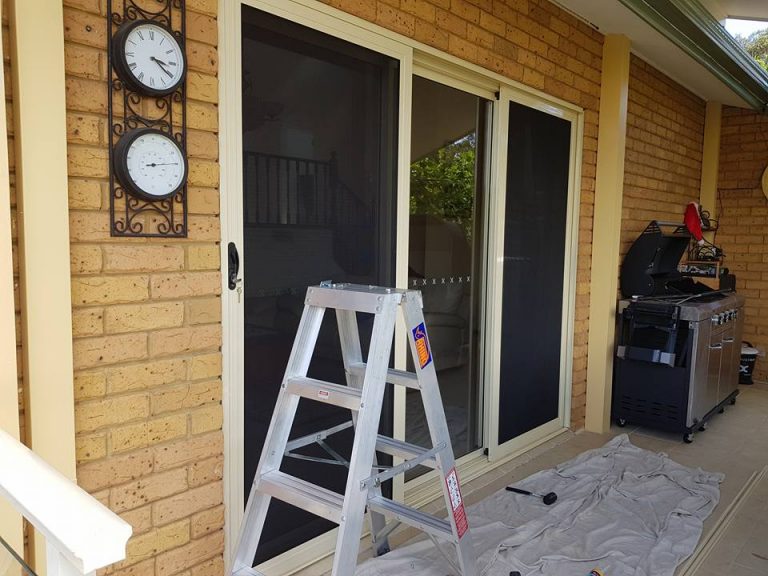
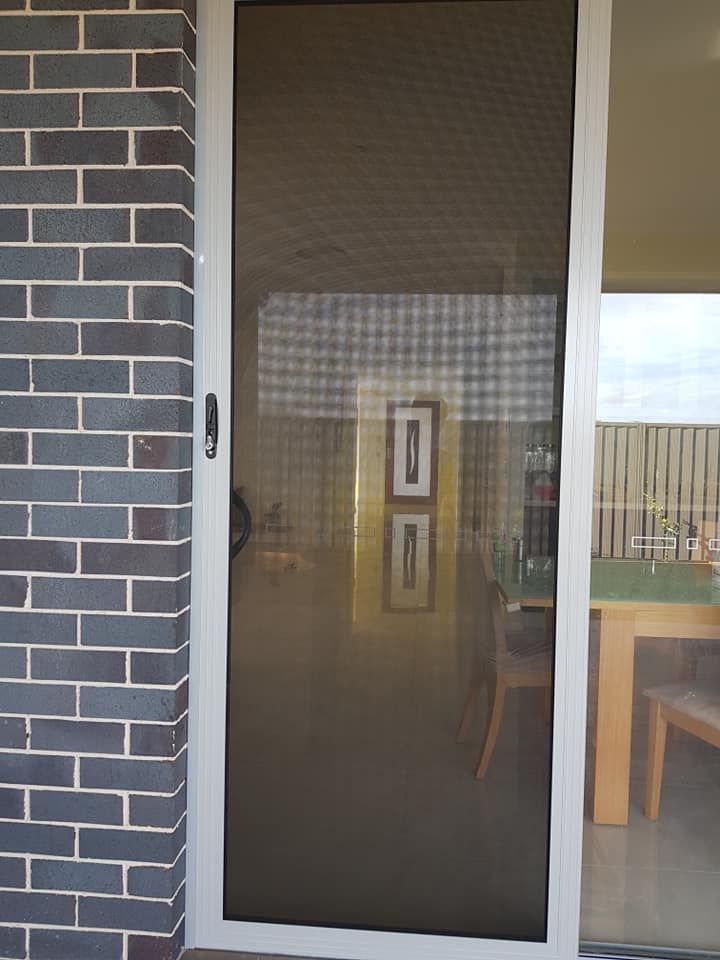
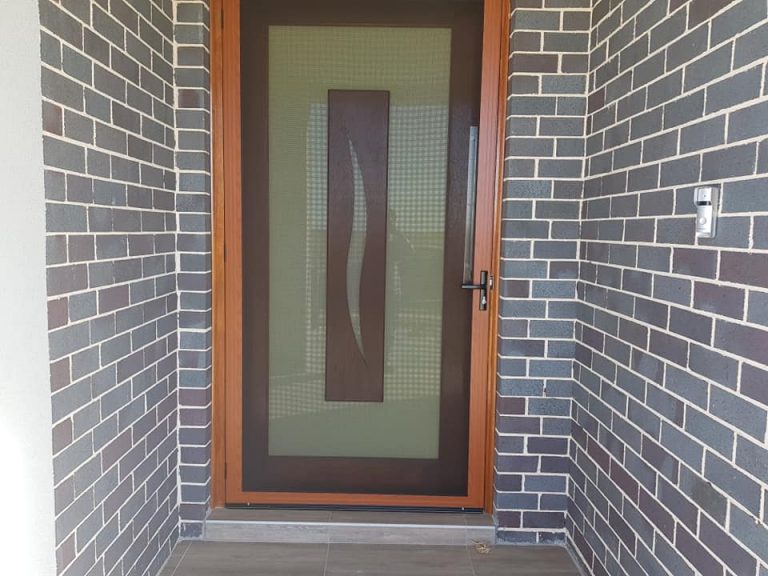
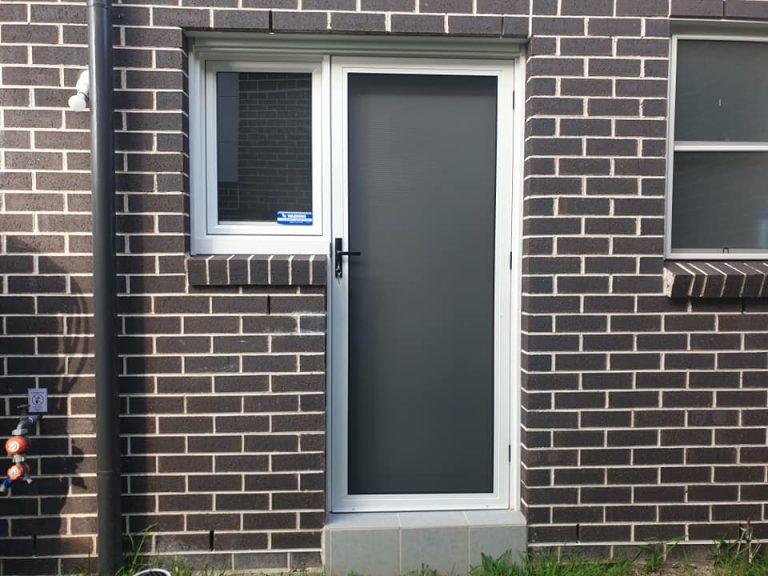
When it comes to safeguarding your home and loved ones, trust Clyde for top-notch security doors. Clyde , licenced specialist , specializes in providing unrivaled protection without compromising on style. With our extensive range of designs and materials, you can find the perfect security door to enhance your home’s aesthetics while fortifying its defenses. Rest easy knowing that our doors are engineered with the latest technologies and crafted to withstand even the most determined intruders. Don’t settle for anything less than the best when it comes to your family’s safety. Contact Clyde today and experience the peace of mind that comes with our superior security doors. Invest in your home’s security – because your loved ones deserve nothing but the best.Feel free to contact Clyde AT 0451 001 060

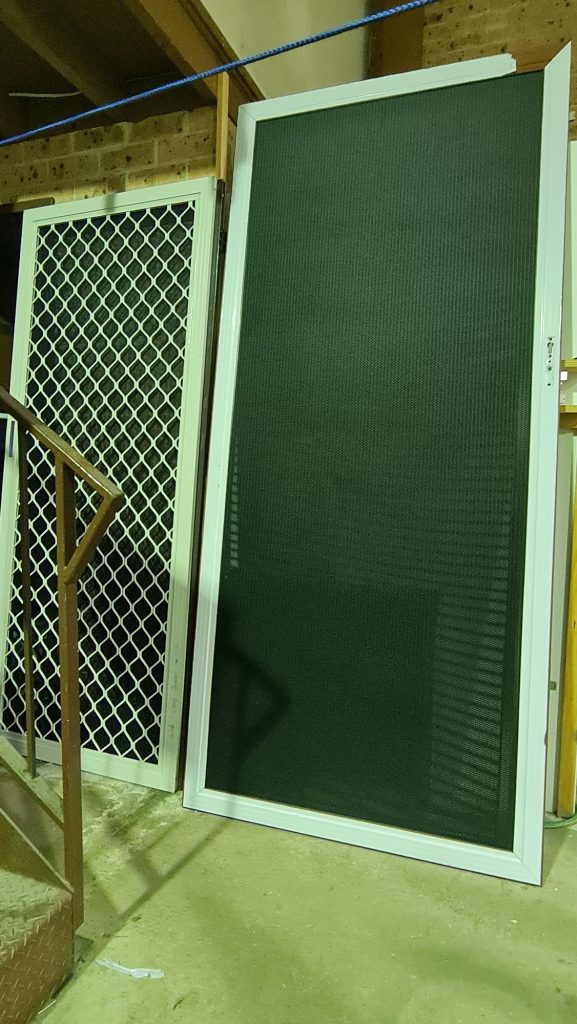
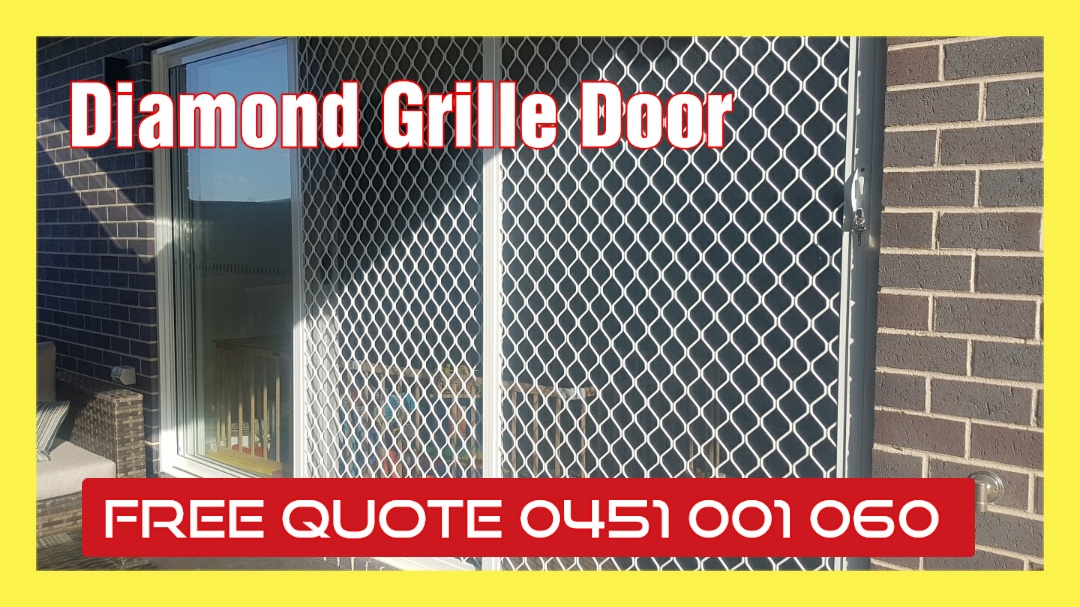
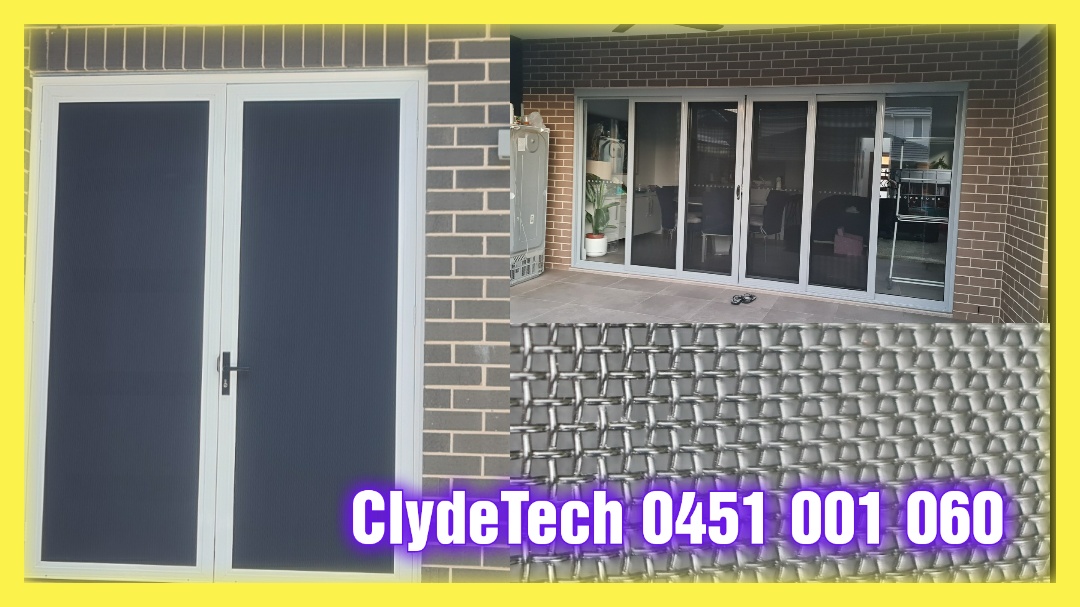
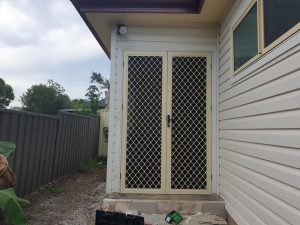
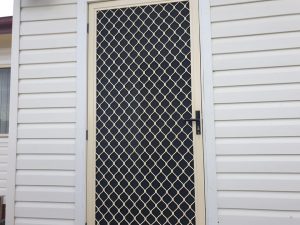
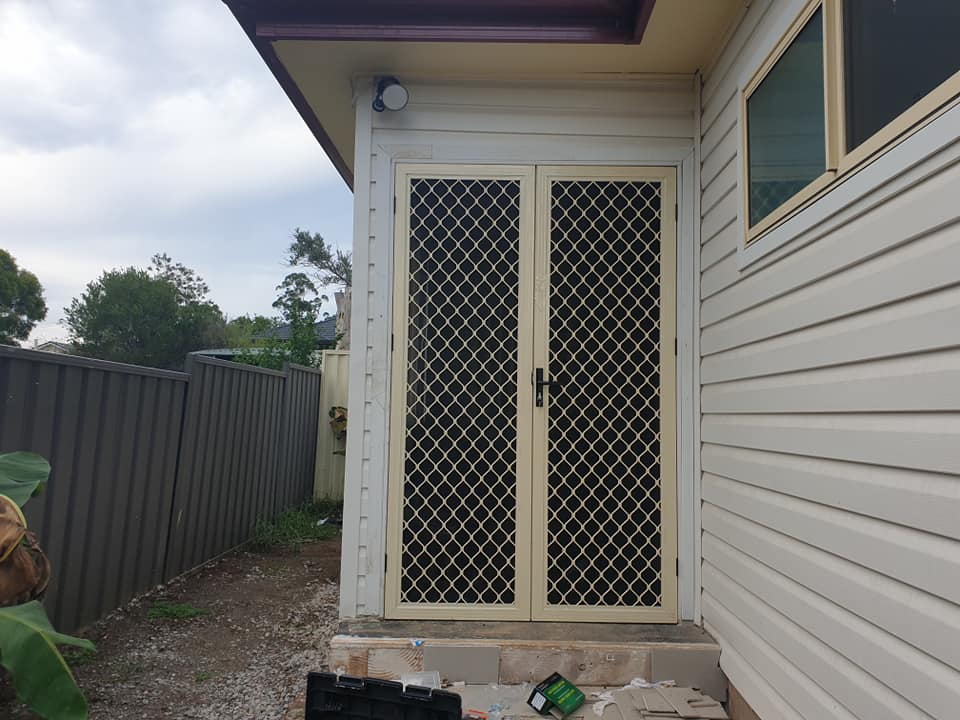
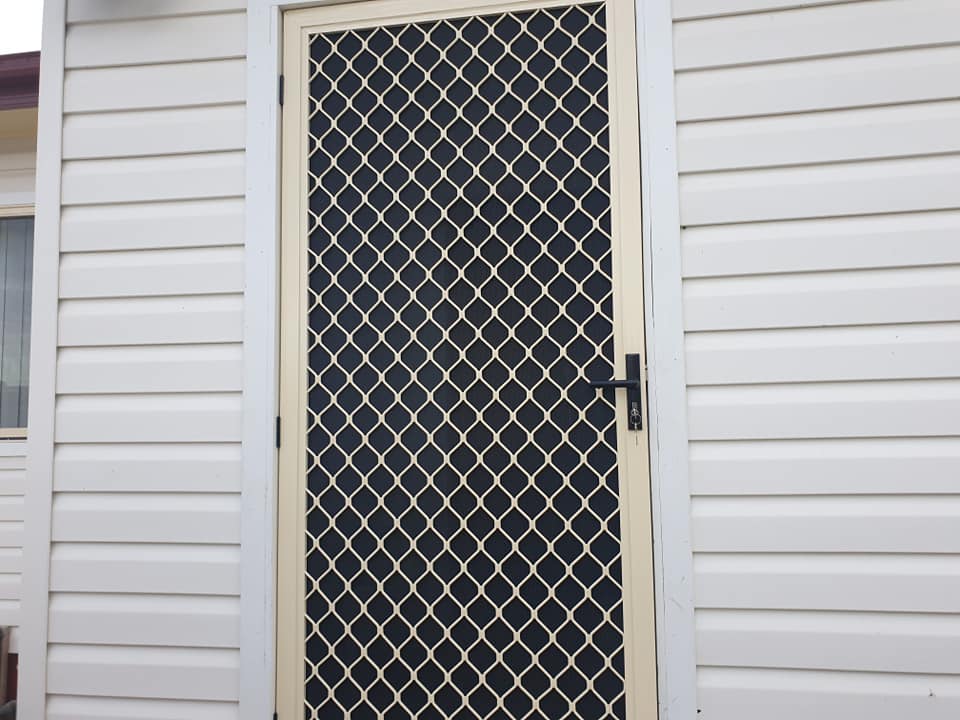
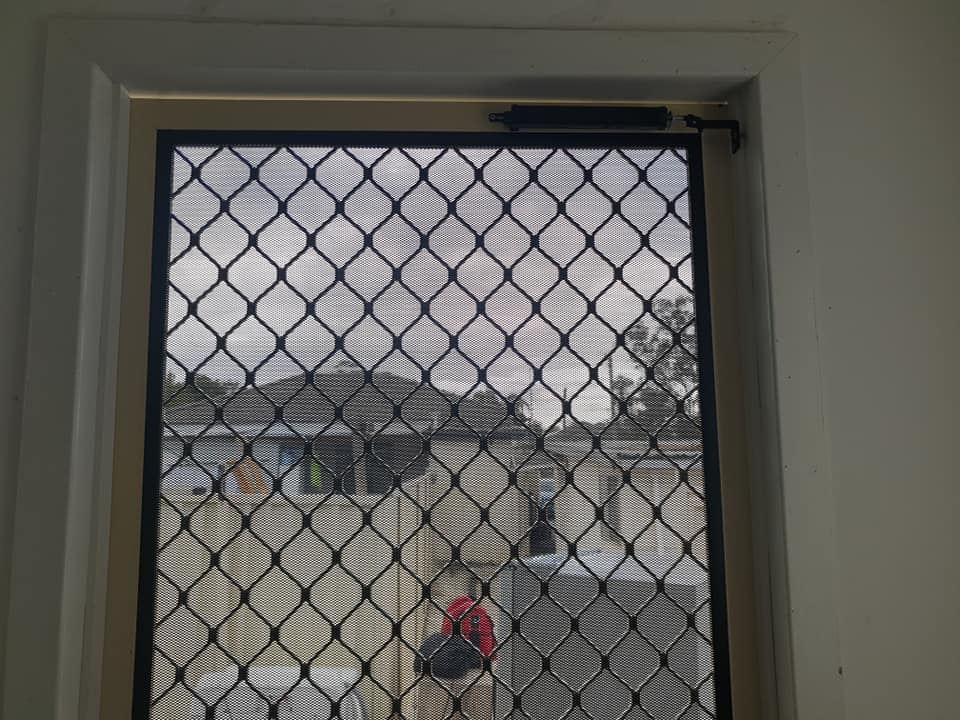
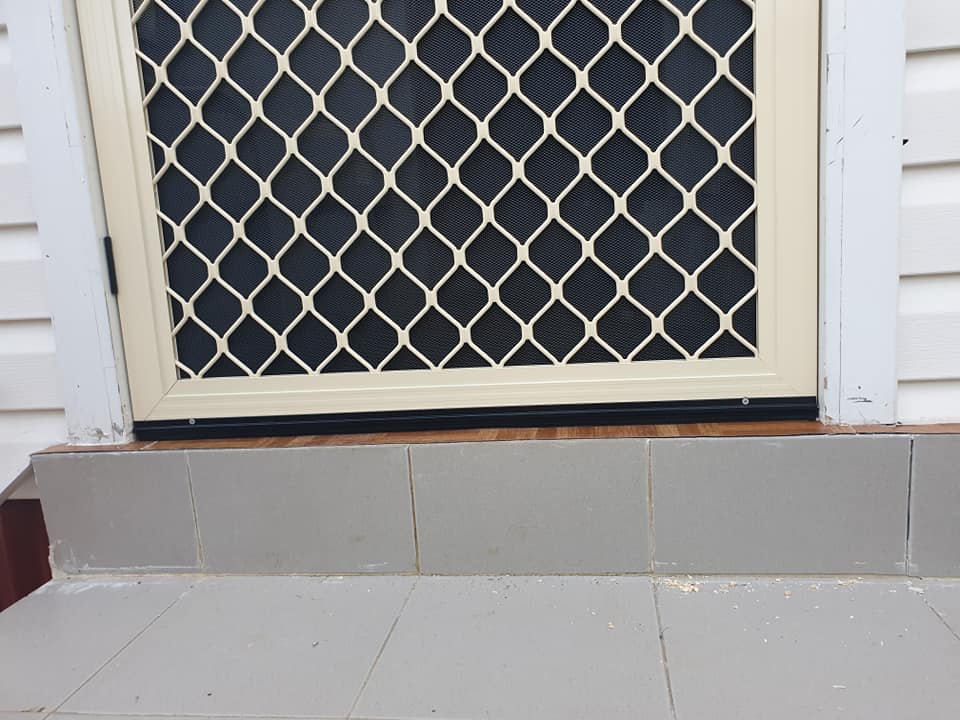
DIAMOND GRILLE

&

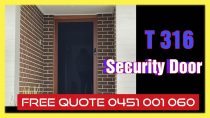
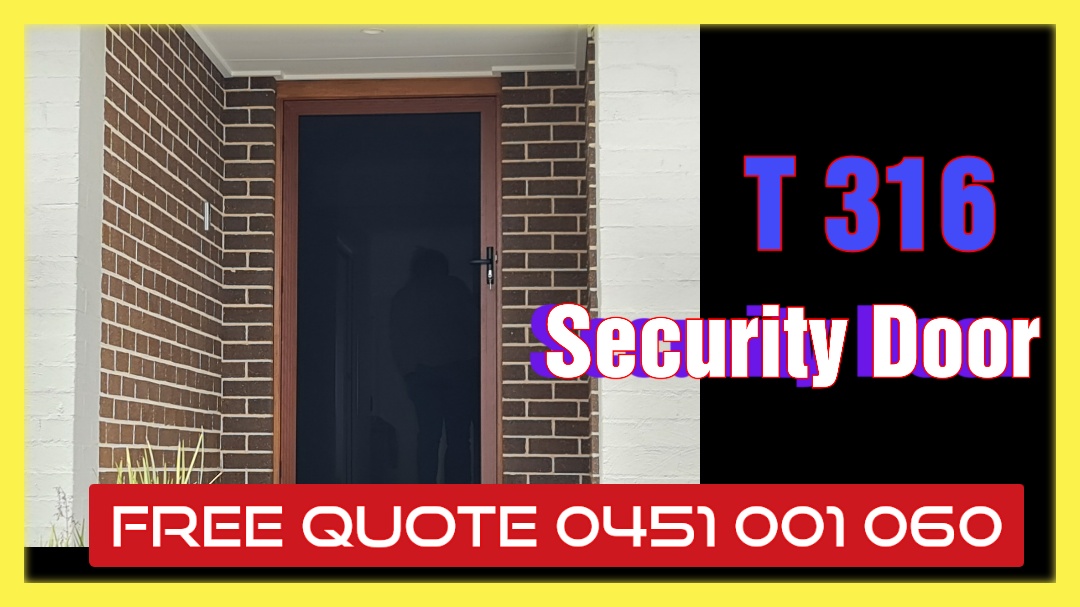
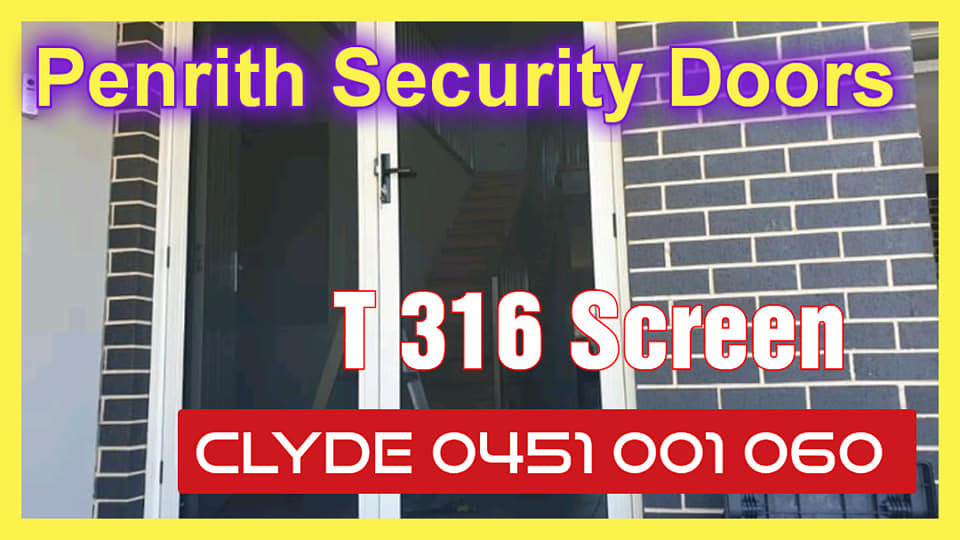
T316 STAINLESSSTEEL MESH DOOR

Flyscreen Richmond NSW 0451 001 060

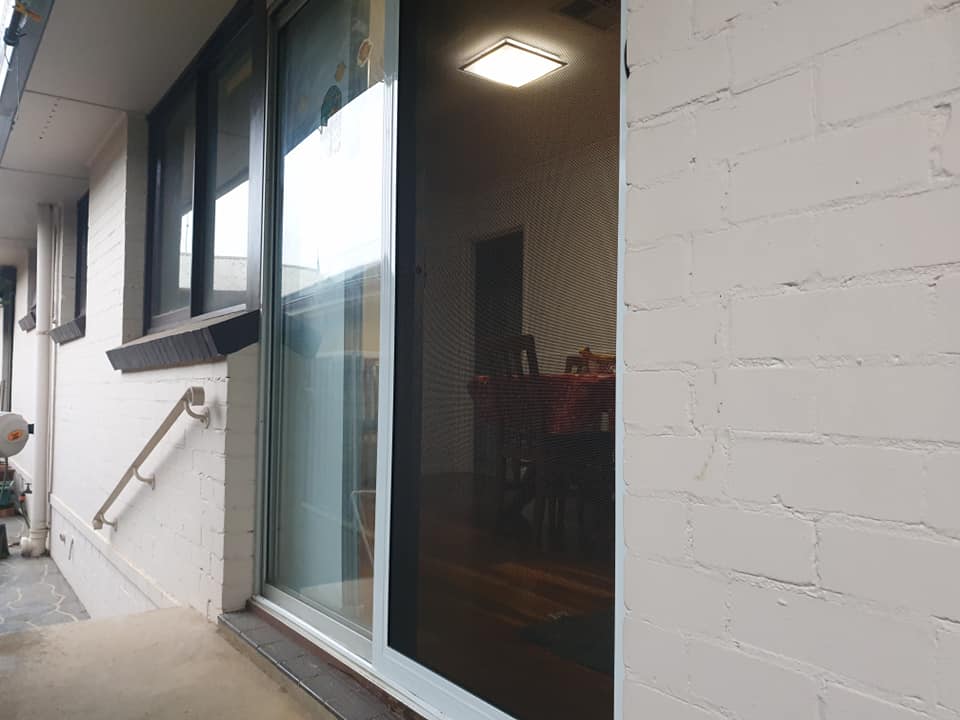
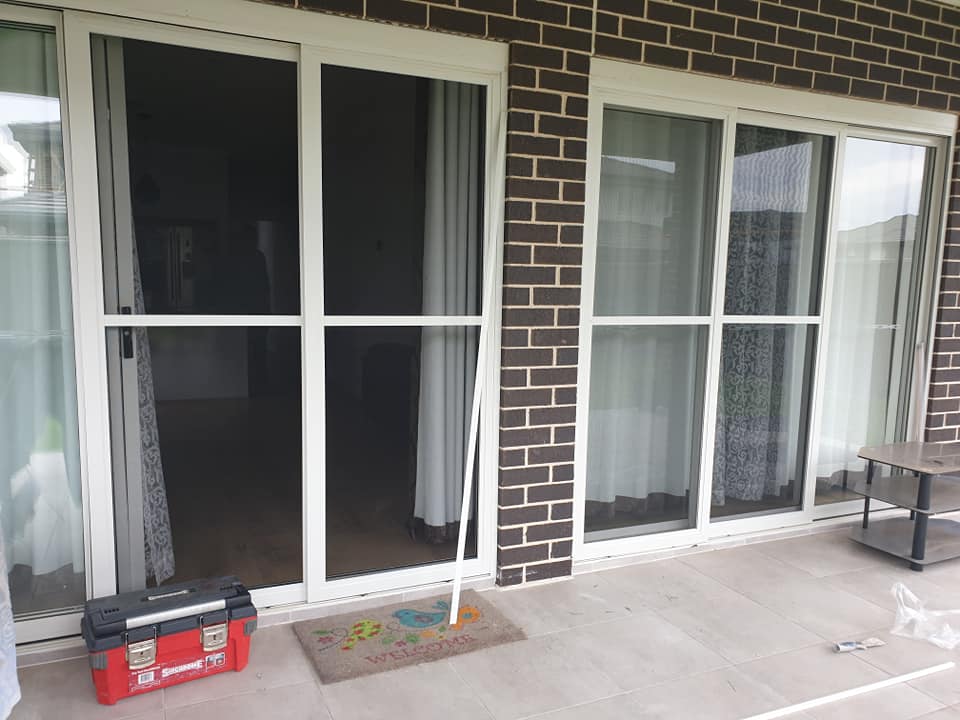
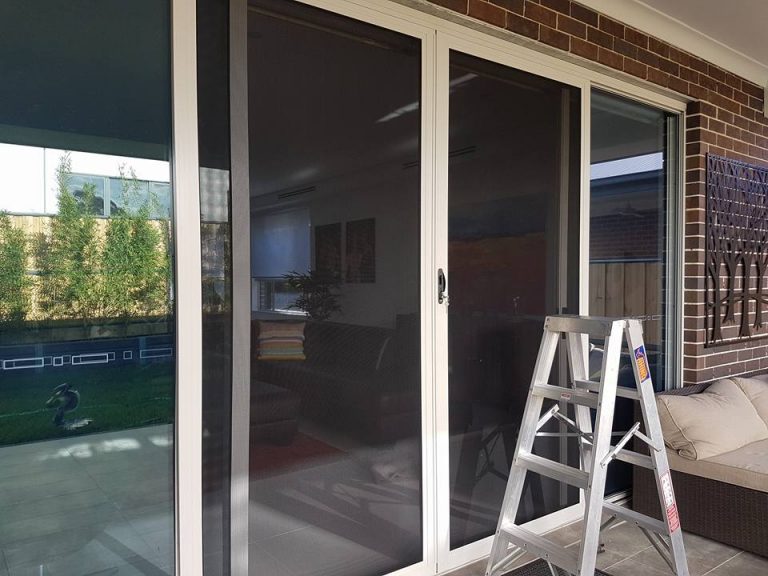
Enhance your home with premium flyscreens in Richmond and Windsor, NSW! Keep pesky bugs out and let fresh air in with our high-quality flyscreen solutions. Our experienced team is dedicated to providing tailored and durable options that perfectly complement your home’s aesthetic. Enjoy uninterrupted views, improved ventilation, and peace of mind knowing that your living spaces are protected. From custom measurements to professional installation, we’ve got you covered. Don’t compromise on quality – choose the trusted name in flyscreens in Richmond and Windsor. Transform your home today and experience the ultimate in comfort and convenience. Contact us now for a free consultation!

YOU CAN MEET US AT WWW.RICHMONDFLYSCREENS.COM.AU

RICHMOND FLYSCREENS CLYDE 0451 001 060

FLYSCREEN RICHMOND , SECURITY DOOR RICHMOND , SCREEN DOOR RICHMOND , FLYDOOR RICHMOND , WWW.RICHMONDFLYSCREENS.COM.AU,FLYSCREEN RICHMOND , SECURITY DOOR RICHMOND , SCREEN DOOR RICHMOND , FLYDOOR RICHMOND , WWW.RICHMONDFLYSCREENS.COM.AU,FLYSCREEN RICHMOND , SECURITY DOOR RICHMOND , SCREEN DOOR RICHMOND , FLYDOOR RICHMOND , WWW.RICHMONDFLYSCREENS.COM.AU,FLYSCREEN RICHMOND , SECURITY DOOR RICHMOND , SCREEN DOOR RICHMOND , FLYDOOR RICHMOND , WWW.RICHMONDFLYSCREENS.COM.AU,FLYSCREEN RICHMOND , SECURITY DOOR RICHMOND , SCREEN DOOR RICHMOND , FLYDOOR RICHMOND , WWW.RICHMONDFLYSCREENS.COM.AU,FLYSCREEN RICHMOND , SECURITY DOOR RICHMOND , SCREEN DOOR RICHMOND , FLYDOOR RICHMOND , WWW.RICHMONDFLYSCREENS.COM.AU,FLYSCREEN RICHMOND , SECURITY DOOR RICHMOND , SCREEN DOOR RICHMOND , FLYDOOR RICHMOND , WWW.RICHMONDFLYSCREENS.COM.AU,FLYSCREEN RICHMOND , SECURITY DOOR RICHMOND , SCREEN DOOR RICHMOND , FLYDOOR RICHMOND , WWW.RICHMONDFLYSCREENS.COM.AU,FLYSCREEN RICHMOND , SECURITY DOOR RICHMOND , SCREEN DOOR RICHMOND , FLYDOOR RICHMOND , WWW.RICHMONDFLYSCREENS.COM.AU,FLYSCREEN RICHMOND , SECURITY DOOR RICHMOND , SCREEN DOOR RICHMOND , FLYDOOR RICHMOND , WWW.RICHMONDFLYSCREENS.COM.AU,

Screen Door Guildford 0451 001 060

Screen Door Guildford 0451 001 060

Reliable Flyscreens & Security Doors in Guildford – Tailored for Your Home

Looking for a strong, great-looking screen door in Guildford?
We supply and install flyscreens, flydoors, mesh doors, and security screen doors – custom-made to suit your home and lifestyle.


Why Guildford Homeowners Trust Us

  • Precision-Measured & Professionally Installed: Every door is made to fit your exact measurements, no gaps, no rattles.
  • Built for Aussie Homes: UV-resistant mesh, rust-proof frames, and smooth operation – made for Australian conditions.
  • More Than Just Screens: Our security doors offer extra protection without sacrificing airflow or style.
  • Local Service, Fast Response: Based near Guildford, we usually quote and install within a few days.

???? Our Product Range

  • Flyscreens – for sliding and casement windows
  • Flydoors – hinged or sliding options
  • Mesh Doors – pet-friendly and easy to maintain
  • Screen Doors – classic, modern, or decorative styles
  • Security Doors – triple locks, stainless or aluminium mesh, colour-matched to your frame

???? Serving All of Guildford and Surrounding Areas

Whether you’re near Guildford Road, close to Woodville Road, or anywhere around McCredie Park, we come to you.

???? Call now: 0451 001 060
???? Free on-site quotes. No hidden costs. Just great doors and better service.


What Locals Are Saying

“Our new screen door fits perfectly and looks fantastic. Super professional from start to finish.” – Samira, Guildford

“I needed a security door fast. Measured and installed within three days. Highly recommend!” – David, Guildford West


???? Let’s Make Your Home Safer & Cooler

Call or text 0451 001 060 to book your free quote in Guildford.
We’ll show you samples, measure up, and give you the right advice – no pressure.

Screen Door Free Quote 0451 001 060

Guildford flyscreen, Guildford flydoor, Guildford mesh door, Guildford screen door, Guildford security door, Merrylands flyscreen, Merrylands flydoor, Merrylands mesh door, Merrylands screen door, Merrylands security door, Granville flyscreen, Granville flydoor, Granville mesh door, Granville screen door, Granville security door, Yennora flyscreen, Yennora flydoor, Yennora mesh door, Yennora screen door, Yennora security door, Chester Hill flyscreen, Chester Hill flydoor, Chester Hill mesh door, Chester Hill screen door, Chester Hill security door, Old Guildford flyscreen, Old Guildford flydoor, Old Guildford mesh door, Old Guildford screen door, Old Guildford security door, South Granville flyscreen, South Granville flydoor, South Granville mesh door, South Granville screen door, South Granville security door, Sefton flyscreen, Sefton flydoor, Sefton mesh door, Sefton screen door, Sefton security door, Fairfield flyscreen, Fairfield flydoor, Fairfield mesh door, Fairfield screen door, Fairfield security door, Auburn flyscreen, Auburn flydoor, Auburn mesh door, Auburn screen door, Auburn security door

Screen Door Fairfield 0451 001 060

Custom Flyscreens & Security Doors for Fairfield Homes – Quality You Can Trust

Need a new screen door or flyscreen in Fairfield?
We supply and install flydoors, mesh doors, screen doors, and security doors across Fairfield – all custom-made for a perfect fit and long-lasting use.


????️ Why Fairfield Locals Choose Us

  • Tailored to Your Home: No off-the-shelf fit. We measure, cut, and install to match your exact door or window frame.
  • Tough & Reliable: Australian-tested materials that resist rust, pests, and UV – perfect for Fairfield’s climate.
  • Stylish + Secure: Choose from modern designs that keep your home safe while letting in natural light and air.
  • Fast Local Service: Most jobs in Fairfield are completed within a few days.

???? Our Product Range

  • Flyscreens – sliding and window types
  • Flydoors – hinged or sliding versions
  • Mesh Doors – tough, pet-proof mesh options
  • Screen Doors – simple, decorative, or custom-painted
  • Security Doors – triple-lock systems, steel or aluminium mesh, secure & sleek

???? We Serve All of Fairfield

Whether you’re near Fairfield Station, Neeta City, or along The Horsley Drive, we come to your door – measure and quote for free.

???? Call now: 0451 001 060
???? Text available – fast response, friendly advice


???? What People Are Saying

“We’re super happy with the new flydoors. The team was professional and quick.” – Lily, Fairfield

“Very strong security screen and clean install. Worth every dollar.” – George, Fairfield Heights


???? Ready for a Quote?

We’ll show you samples, give advice, and quote on the spot – with no pressure.

???? Call or text 0451 001 060 today


Fairfield flyscreen, Fairfield flydoor, Fairfield mesh door, Fairfield screen door, Fairfield security door, Fairfield Heights flyscreen, Fairfield Heights flydoor, Fairfield Heights mesh door, Fairfield Heights screen door, Fairfield Heights security door, Yennora flyscreen, Yennora flydoor, Yennora mesh door, Yennora screen door, Yennora security door, Canley Vale flyscreen, Canley Vale flydoor, Canley Vale mesh door, Canley Vale screen door, Canley Vale security door, Smithfield flyscreen, Smithfield flydoor, Smithfield mesh door, Smithfield screen door, Smithfield security door, Carramar flyscreen, Carramar flydoor, Carramar mesh door, Carramar screen door, Carramar security door, Cabramatta flyscreen, Cabramatta flydoor, Cabramatta mesh door, Cabramatta screen door, Cabramatta security door, Canley Heights flyscreen, Canley Heights flydoor, Canley Heights mesh door, Canley Heights screen door, Canley Heights security door, Old Guildford flyscreen, Old Guildford flydoor, Old Guildford mesh door, Old Guildford screen door, Old Guildford security door, Villawood flyscreen, Villawood flydoor, Villawood mesh door, Villawood screen door, Villawood security door

Security Screen Door Granville 0451 001 060

Security Screen Door Granville 0451 001 060

Reliable Flyscreens & Security Doors in Granville – Made to Fit, Built to Last

Looking for a high-quality flyscreen or security door in Granville?
We provide tailor-made solutions for flydoors, mesh doors, screen doors, and security screen doors – professionally installed and built to withstand the Australian climate.


Why Granville Locals Choose Us

  • Custom Fit for Every Home: Whether you live in a heritage-style house or a modern unit, we measure and fit each door to your exact frame.
  • Clyde-Made : Our screens are built from durable materials designed to handle Sydney’s heat, wind, and rain – keeping bugs out and airflow in.
  • Enhanced Security: Keep your family safe with security screen doors that don’t compromise on looks or ventilation.
  • Quick Turnaround: Most installations in Granville are completed within a few days from measurement to finish.

???? Products We Offer in Granville

  • Flyscreens – for windows and sliding doors
  • Flydoors – hinged and sliding options
  • Mesh Doors – pet-friendly, UV-resistant, and easy to clean
  • Screen Doors – classic or decorative styles
  • Security Doors – triple-locking, aluminum or steel mesh, available in multiple colours

???? Serving All of Granville,Clyde, Auburn, Merrylands, Harris Park, Parramatta, Lidcombe, Guildford, South Granville, Rosehill, Holroyd

We’re based locally and understand the needs of Granville homes – from older Federation-style properties to new developments near Clyde and South Granville.

???? Call now: 0451 001 060
???? Free quotes available – we come to you.


What Our Clients Say

“Great service and top-quality flydoors. The new screen door looks perfect on our front entrance.” – Mina, Granville

“Professional, friendly, and very efficient. Would recommend to anyone needing a security door in Granville.” – Hassan, Clyde St.

Clyde flyscreen, Clyde flydoor, Clyde mesh door, Clyde screen door, Clyde security door, Auburn flyscreen, Auburn flydoor, Auburn mesh door, Auburn screen door, Auburn security door, Merrylands flyscreen, Merrylands flydoor, Merrylands mesh door, Merrylands screen door, Merrylands security door, Harris Park flyscreen, Harris Park flydoor, Harris Park mesh door, Harris Park screen door, Harris Park security door, Parramatta flyscreen, Parramatta flydoor, Parramatta mesh door, Parramatta screen door, Parramatta security door, Lidcombe flyscreen, Lidcombe flydoor, Lidcombe mesh door, Lidcombe screen door, Lidcombe security door, Guildford flyscreen, Guildford flydoor, Guildford mesh door, Guildford screen door, Guildford security door, South Granville flyscreen, South Granville flydoor, South Granville mesh door, South Granville screen door, South Granville security door, Rosehill flyscreen, Rosehill flydoor, Rosehill mesh door, Rosehill screen door, Rosehill security door, Holroyd flyscreen, Holroyd flydoor, Holroyd mesh door, Holroyd screen door, Holroyd security door

SECURITY DOORMAN BLACKTOWN

BLACKTOWN SECURITY DOORS 0451 001 060 

SECURITY DOORMAN   CLYDE / CLYDE THE SECURITY DOOR MAN

FREE QUOTE !!

  • STAINLESS STEEL MESH DOOR
  • SECURITY SCREEN DOORS
  • DVA SCREEN DOORS
  • SECURITY GRILLE DOORS

SECURITY DOORMAN  BLACKTOWN, SECURITY DOORMAN CLYDE , CLYDE THE SECURITY DOOR MAN,


        SECURITY DOOR LICENCEE


IN ORDER TO MAKE YOUR HOME SAFE FROM CRIME 

Australia 2019 Crime & Safety Report: Sydney

The current U.S. Department of State Travel Advisory at the date of this report’s publication assesses Australia at Level 1, indicating travelers should exercise normal precautions.

Overall Crime and Safety Situation

The U.S. Consulate in Sydney does not assume responsibility for the professional ability or integrity of the persons or firms appearing in this report. The American Citizens Services (ACS) unit cannot recommend a particular individual or establishment, and assumes no responsibility for the quality of services provided.

Review OSAC’s Australia page for original OSAC reporting, consular messages, and contact information, some of which may be available only to private-sector representatives with an OSAC password.

Crime Threats

There is minimal risk from crime in Sydney. Property crimes, such as burglary, breaking and entering, and theft, occur throughout Australia and are among the crimes most likely for Australians and foreigners to encounter. In general, the rate of crime is comparable with most major U.S. metropolitan areas.

Physical assaults are not common, but occur with greater frequency in specific locales, predominantly outside of city centers. The New South Wales (NSW) Bureau of Crime Statistics and Research published the following statistics covering the period for 2018.

New South Wales Police Force (NSWPF) reported 31,698 non-domestic violent assaults, 29,572 domestic violence-related assaults and 2,458 assaults on police. Additionally, there were 5,816 sexual assaults and 7,867 acts of indecency / sexual offenses reported. NSWPF also reported 1,492 robberies without a weapon, 156 robberies with a firearm, and 837 robberies with a weapon that was not a firearm.

There were 13,061 motor vehicle thefts reported in NSW, as well as 38,083 thefts from motor vehicles (a decrease from the previous reporting cycle). The NSWPF reported 58,442 acts of malicious damage to property and 5,332 acts of arson (decreased from the past year). The report suggests that, in general, major offense categories remain stable or are decreasing.

For 2018, NSW recorded 69 homicides and 19 attempted murders, most of which occurred in the Greater Sydney area. Australia has extremely restrictive firearms legislation. The purchase, licensing, and storage of firearms is very limited compared to the U.S. Although criminals sometimes use firearms in crimes, their use is the exception rather than the rule. Firearm use occurs most commonly in crimes involving organized criminal elements such as Outlaw Motorcycle Gangs, Middle Eastern gangs, and drug trafficking groups.

Skimming of debit/credit cards at points of purchase and in taxis does occur, though the rate of incidence is relatively low. Travelers should cover ATM keypads when entering their PIN. For more information, review OSAC’s Report, The Overseas Traveler’s Guide to ATM Skimmers & Fraud.

Monitor the SCAM Watch website, maintained by the Australian Competition and Consumer Commission, for the latest information on how to recognize, avoid, and report scams.

Cybersecurity Issues

The theft or breach of confidential information and intellectual property remains the business community’s greatest cybersecurity concern. Cyber criminals gain access to networks primarily through targeted emails or spear phishing, which continues to be the most commonly reported cybersecurity incident. Free Wi-Fi hot spots and Internet cafes are common; however, most networks are not secure and may be vulnerable to cyberattack. Avoid conducting sensitive or financial transactions when using unsecured networks.

Other Areas of Concern

In general, Sydney is a very safe city in which to visit or reside. As with any major city, there can be issues surrounding assaults, drug use, and crimes of opportunity in and around the central business district / nightclub precinct after midnight. Consider personal safety and exercise heightened situational awareness in these areas, especially after dark.

Transportation-Safety Situation

For more information, review OSAC’s Report, Security in Transit: Airplanes, Public Transport, and Overnights.

Road Safety and Road Conditions

Authorities strictly enforce speed limits via cameras and police patrols. Holiday weekends typically see a rise in roadside fatalities, as many drive long distances to popular beach destinations.

Police conduct roadside alcohol and illegal drug tests frequently; they are not optional according to Australian law. Be prepared to submit to random breathalyzer testing. A driver is in violation of the law if driving with a blood alcohol content (BAC) of .05% or greater – a level lower than that of many U.S. states. At the checkpoints, police from Random Breath Testing Units test a sample of your breath to determine the Prescribed Concentration of Alcohol (PCA), and may additionally take a saliva swab to determine if you are driving under the Influence (DUI) of an illicit drug. Avoid consuming alcohol before driving.

In the event of a motor vehicle accident, stop and give assistance to injured persons. Each party must provide their name, address, and registration details to the other parties involved. This includes the owner of property damaged or injured person (or a person representing them).

Report all motor vehicle accidents in New South Wales to police within 24 hours, either in person at a police station or by calling 131444 (Police Assistance Line).

For more information on self-driving, review OSAC’s Report Driving Overseas: Best Practices.

Public Transportation Conditions

Greater Sydney has an extensive underground and aboveground train network, a large bus network, a small-scale light rail project underway in the Chinatown area of downtown Sydney, and regular ferry services to points around the Harbor. These public transportation options are generally efficient, reliable, and safe. Services run more frequently during peak demand periods, including weekday rush hour periods.

Taxi and ride-share services are also reliable and safe, but may be difficult to find during periods of high demand. Be mindful that many taxi services video passengers during the trip; recording starts as soon as the front or rear passenger door opens.

Aviation/Airport Conditions

Australian international and domestic airports meet International Civil Aviation Organization (ICAO) standards. The Australian Federal Police oversee security at all international airports. Australian international and domestic airports meet International Civil Aviation Organization (ICAO) Standards. Sydney has a large internationally certified commercial airport (Kingsford Smith, SYD) offering domestic and international flights.

Terrorism Threat

Local, Regional, and International Terrorism Threats/Concerns

There is moderate risk from terrorism in Sydney. There have been seven terrorist attacks and 15 disrupted plots in Australia since 2014. ISIS leadership has repeatedly identified Australia as a desirable target. The potential return of dozens of Australian foreign fighters continues to pose a long-term risk, while homegrown extremists with basic, readily available weapons may be the greatest near-term threat. Active shooter incidents and vehicle attacks at mass gatherings continue to be of high concern to law enforcement. The majority of recent terrorism-related incidents have involved young, homegrown Australian extremists influenced and inspired online.

In January 2019, several diplomatic missions in Australia received suspicious packages; some included threatening letters and material purported to be hazardous. Among the missions receiving these packages was the U.S. Consulate in Melbourne. Australian authorities promptly and effectively responded to this event, and soon thereafter arrested a man believed to be responsible. None of the items sent were hazardous to the health of the public.

In response to potential threats, Australian authorities have updated the National Terrorism Threat Advisory system to inform Australians about the likelihood of a terrorist attack, and to enable authorities, businesses, and individuals to take appropriate safety and security measures. The new system includes five tiers, ranging from “Not Expected” to “Certain.” The current terrorism threat advisory level is “Probable,” signifying that while there is no information regarding a specific, credible plot, individuals or groups have developed both the intent and capability to conduct a terrorist attack in Australia.

Individuals who see suspicious or unusual activity should contact Australia’s National Security Hotline at 1800 1234 00. Report life-threatening situations to the police at 000.

Anti-U.S./Anti-Western Sentiment

Incidents of political violence directed against the U.S. are relatively infrequent. Assorted protest actions included a sit-in within the building lobby and the display of placards. The majority of protests near U.S. diplomatic facilities continue to be peaceful. Visits by high-level U.S. dignitaries will occasionally attract various organizations to whose members protest a variety of topics.

The New South Wales Government must grant protestors the permission to demonstrate. The Australian police monitor and respond to threats and violent protests in an adequate and expedient manner, and are well trained to deal with anti-Western sentiment.

Political, Economic, Religious, and Ethnic Violence

Civil Unrest

There is minimal risk from political violence in Sydney. Incidents of civil unrest are relatively uncommon. Occasionally, organized protests in and around various government and diplomatic enclaves occur; however, these are typically peaceful. The potential for violence during protests does exist; avoid any situations that could result in a confrontation with protestors.

Religious/Ethnic Violence

There have been a number of anti-Muslim demonstrations in major Australian cities following high-profile international attacks involving ISIS. Australian policing authorities are capable of managing such events.

Post-specific Concerns

Environmental Hazards

Australia can experience extreme weather conditions during the warmer months, creating the potential for large-scale wildfires. Bushfire season is October-May. In addition to claiming lives, bushfires can result in major property damage.

Anyone planning to reside in Australia should devise a bushfire plan of action. NSW has a website that provides information on the locations of bushfires.

Review travel plans, develop contingencies for bush fires and flooding, and follow the directions of Australian authorities during an emergency.

Critical Infrastructure Concerns

Critical infrastructure is relatively stable and secure. Major attacks on critical infrastructure are rare. The most likely threat remains natural disasters (e.g., cyclones, bushfires, and flooding). The Australian Security Intelligence Organization (ASIO) has responsibility to provide intelligence and threat assessments to relevant Commonwealth Government departments, the Australian Federal Police (AFP), and State and Territory police.

The National Counter-Terrorism Committee (NCTC, a national body comprising of representatives from the Commonwealth, State, and Territory governments) coordinates Australia’s national critical infrastructure protection arrangements. Australia relies heavily on intelligence and information sharing for critical infrastructure protection.

State and Territory police meet with owners and operators of critical infrastructure, in accordance with jurisdictional arrangements, to provide context to the national and localized security threat. Police communicate directly with the owners and operators of critical infrastructure if there is an imminent, specific threat, and will coordinate the operational response. Police also gather and disseminate intelligence to relevant agencies as required.

Economic Concerns

The Australian Security Intelligence Organization (ASIO) has emphasized that the private sector is not immune from the clandestine or deceptive activity of foreign governments. ASIO works closely with private-sector organizations to counter such threats.

Several economic espionage incidents have occurred, particularly those targeting the natural resource sectors. Economic espionage has occurred through cyberattacks originating from overseas countries.

Australia has strong counterfeiting and piracy legislation protecting patents, trademarks, and designs. Intellectual property owners are responsible for enforcing their own rights through private proceedings. Organizations should also ensure they do not accidentally infringe on the intellectual property of others.

Privacy Concerns

The Australian Privacy Act 1988 is similar in content to that of the U.S Privacy Act of 1974; it places strict controls on the storage and release of information. Be mindful of where you store personally identifiable information, and who has access to it. Private and public organizations must have the consent of an individual before conducting any background investigations. A failure to obtain an individual’s consent can result in serious prosecution.

Drug-related Crimes

Australia has a number of drug-related issues, including a growing drug user population, international drug importation, local clandestine laboratories, and an increasing number of individuals arrested for drug trafficking. Cannabis is the most widely abused drug in Australia. Australia is also experiencing an increased use of illegal prescription drugs, performance-enhancing drugs, and synthetic drugs (e.g., Kronic and Spice). Cocaine remains popular. The use of the synthetic drug ICE, a crystalline form of methamphetamine, is growing at an alarming rate. ICE users may be responsible for an increase in burglaries and assaults across Australia.

The National Drug and Alcohol Research Centre (NDARC) notes that more Australians are consuming pure ecstasy in the form of crystals and capsules, and that cocaine use is at its highest recorded level. There were 2,334 arrests from January to September 2018 for the use or possession of cocaine (up 33.6%). By contrast, NSWPF reported 7,003 arrests for possession and the use of amphetamines, which remained consistent with the previous reporting cycle.

Kidnapping Threat

From January to September 2018, the NSW Police reported 186 kidnappings recorded in New South Wales. These offenses are usually domestic and/or sexual in nature, and do not involve extortion or terrorism. Report all incidents or allegations of kidnappings or unlawful detainment to authorities immediately.

Police Response

Australian police organizations are well trained and professional. They have well-equipped emergency response teams that can mobilize and respond to any incident with short notice.

How to Handle Incidents of Police Detention or Harassment

Lodge complaints of any nature regarding NSW Policing directly with the NSW Police by completing an online form, visiting/calling any NSW police station, or contacting the NSW police Internal Affairs Section.

Crime Victim Assistance

Dial 000 for police, medical, or fire emergency assistance. Individuals who dial 000 must provide basic information, such as the location and the services needed.

Victim Services NSW can help victims of crime cope with the impact of criminal incidents, and can assist them in accessing their rights and entitlements. Victim Services NSW provides support, counseling, and other services, as well as information, advocacy, and assistance with the criminal justice system, an individual’s rights, and entitlements.

Police/Security Agencies

The Australian Border Force is the Australian federal agency responsible for managing border security and integrity. It facilitates the movement of legitimate international travelers and goods, while protecting the safety, security, and commercial interests of Australians. Contact Australian Border Force at 1800 009 623 or online to report suspicious behavior.

Medical Emergencies

Excellent medical care is available in Australia. Ambulance service staffed by certified emergency medical technicians is the standard throughout most of Australia.

Medical emergencies: 000

Health Direct Australia: 1800 022 222 (for general medical advice)

Poisons Information Centre: 13 11 26

Contact Information for Available Medical Services

For a list of available medical providers, refer to the Embassy’s Medical Assistance webpage.

Available Air Ambulance Services

NSW Ambulance Service Aeromedical Division provides high-quality clinical care. The Air Ambulance Service can provide long distance transport while ensuring the continuation of the patient’s medical and nursing care between referring and receiving hospitals. The aircraft becomes an extension of the general hospital ward, Intensive Care Unit, Coronary Care Unit, labor ward, Nursery etc. Make requests for any ambulance services by dialing the emergency service telephone number 000.

Insurance Guidance

Australia has a strong insurance culture, with citizens typically buying home insurance, motor vehicle insurance, and medical travel insurance. The primary body for the insurance industry is the Insurance Council of Australia. Australia’s Medicare system provides a subsidized health fund for Australian citizens and residents. Travelers are not covered; obtain full travelers insurance.

Compulsory third-party insurance may cover persons injured in a motor vehicle accident in some states of Australia. This insurance covers compensation for injuries only, and does not include damage to property or medical costs. If an accident involving an unlicensed vehicle occurs, the driver and owner may be financially liable for the damages paid to the injured person.

Country-specific Vaccination and Health Guidance

The CDC offers additional information on vaccines and health guidance for Australia.

OSAC Country Council Information

There is an active OSAC Country Council in Sydney. Eligible private-sector security professionals interested in participating in the Country Council or connecting with the Regional Security Officer should contact OSAC’s East Asia and Pacific Team.

U.S. Consulate Location and Contact Information

Consulate General Address and Hours of Operation

U.S. Consulate General Sydney, 19 Martin Place, Sydney, NSW 2000

Hours: Monday-Friday, 0800-1700 (excluding U.S. and Australian holidays)

Consulate Contact Information

Telephone (Mon-Fri 0800 to 1700): +61-(0)2-9373-9200

Emergency (weekends and after-hours): +61-(0)2-4422-2201

Regional Security Officer: +61-(0)2-9373-9191

Website: https://au.usembassy.gov/embassy-consulates/sydney/

Nearby Posts

Embassy CanberraConsulate PerthConsulate Sydney

Additional Resources

Australia Country Information Sheet
SECURITY DOOR MAN ST MARYS 0451 001 060

SECURITY DOOR MAN ST MARYS

0451 001 060

ST MARYS SECURITY DOOR MAN / ST MARYS SECURITY / SECURITY DOOR ST MARYS /ST MARYS SECURITY DOOR MAN / ST MARYS SECURITY / SECURITY DOOR ST MARYS /ST MARYS SECURITY DOOR MAN / ST MARYS SECURITY / SECURITY DOOR ST MARYS /

ST MARYS SECURITY DOOR MAN / ST MARYS SECURITY / SECURITY DOOR ST MARYS /ST MARYS SECURITY DOOR MAN / ST MARYS SECURITY / SECURITY DOOR ST MARYS /ST MARYS SECURITY DOOR MAN / ST MARYS SECURITY / SECURITY DOOR ST MARYS /


0451 001 060


SECURITY DOOR ST MARYS 


PENRITH SECURITY DOORS 


IN ORDER TO MAKE YOUR HOME SAFE FROM CRIME 

Australia 2019 Crime & Safety Report: Sydney

The current U.S. Department of State Travel Advisory at the date of this report’s publication assesses Australia at Level 1, indicating travelers should exercise normal precautions.

Overall Crime and Safety Situation

The U.S. Consulate in Sydney does not assume responsibility for the professional ability or integrity of the persons or firms appearing in this report. The American Citizens Services (ACS) unit cannot recommend a particular individual or establishment, and assumes no responsibility for the quality of services provided.

Review OSAC’s Australia page for original OSAC reporting, consular messages, and contact information, some of which may be available only to private-sector representatives with an OSAC password.

Crime Threats

There is minimal risk from crime in Sydney. Property crimes, such as burglary, breaking and entering, and theft, occur throughout Australia and are among the crimes most likely for Australians and foreigners to encounter. In general, the rate of crime is comparable with most major U.S. metropolitan areas.

Physical assaults are not common, but occur with greater frequency in specific locales, predominantly outside of city centers. The New South Wales (NSW) Bureau of Crime Statistics and Research published the following statistics covering the period for 2018.

New South Wales Police Force (NSWPF) reported 31,698 non-domestic violent assaults, 29,572 domestic violence-related assaults and 2,458 assaults on police. Additionally, there were 5,816 sexual assaults and 7,867 acts of indecency / sexual offenses reported. NSWPF also reported 1,492 robberies without a weapon, 156 robberies with a firearm, and 837 robberies with a weapon that was not a firearm.

There were 13,061 motor vehicle thefts reported in NSW, as well as 38,083 thefts from motor vehicles (a decrease from the previous reporting cycle). The NSWPF reported 58,442 acts of malicious damage to property and 5,332 acts of arson (decreased from the past year). The report suggests that, in general, major offense categories remain stable or are decreasing.

For 2018, NSW recorded 69 homicides and 19 attempted murders, most of which occurred in the Greater Sydney area. Australia has extremely restrictive firearms legislation. The purchase, licensing, and storage of firearms is very limited compared to the U.S. Although criminals sometimes use firearms in crimes, their use is the exception rather than the rule. Firearm use occurs most commonly in crimes involving organized criminal elements such as Outlaw Motorcycle Gangs, Middle Eastern gangs, and drug trafficking groups.

Skimming of debit/credit cards at points of purchase and in taxis does occur, though the rate of incidence is relatively low. Travelers should cover ATM keypads when entering their PIN. For more information, review OSAC’s Report, The Overseas Traveler’s Guide to ATM Skimmers & Fraud.

Monitor the SCAM Watch website, maintained by the Australian Competition and Consumer Commission, for the latest information on how to recognize, avoid, and report scams.

Cybersecurity Issues

The theft or breach of confidential information and intellectual property remains the business community’s greatest cybersecurity concern. Cyber criminals gain access to networks primarily through targeted emails or spear phishing, which continues to be the most commonly reported cybersecurity incident. Free Wi-Fi hot spots and Internet cafes are common; however, most networks are not secure and may be vulnerable to cyberattack. Avoid conducting sensitive or financial transactions when using unsecured networks.

Other Areas of Concern

In general, Sydney is a very safe city in which to visit or reside. As with any major city, there can be issues surrounding assaults, drug use, and crimes of opportunity in and around the central business district / nightclub precinct after midnight. Consider personal safety and exercise heightened situational awareness in these areas, especially after dark.

Transportation-Safety Situation

For more information, review OSAC’s Report, Security in Transit: Airplanes, Public Transport, and Overnights.

Road Safety and Road Conditions

Authorities strictly enforce speed limits via cameras and police patrols. Holiday weekends typically see a rise in roadside fatalities, as many drive long distances to popular beach destinations.

Police conduct roadside alcohol and illegal drug tests frequently; they are not optional according to Australian law. Be prepared to submit to random breathalyzer testing. A driver is in violation of the law if driving with a blood alcohol content (BAC) of .05% or greater – a level lower than that of many U.S. states. At the checkpoints, police from Random Breath Testing Units test a sample of your breath to determine the Prescribed Concentration of Alcohol (PCA), and may additionally take a saliva swab to determine if you are driving under the Influence (DUI) of an illicit drug. Avoid consuming alcohol before driving.

In the event of a motor vehicle accident, stop and give assistance to injured persons. Each party must provide their name, address, and registration details to the other parties involved. This includes the owner of property damaged or injured person (or a person representing them).

Report all motor vehicle accidents in New South Wales to police within 24 hours, either in person at a police station or by calling 131444 (Police Assistance Line).

For more information on self-driving, review OSAC’s Report Driving Overseas: Best Practices.

Public Transportation Conditions

Greater Sydney has an extensive underground and aboveground train network, a large bus network, a small-scale light rail project underway in the Chinatown area of downtown Sydney, and regular ferry services to points around the Harbor. These public transportation options are generally efficient, reliable, and safe. Services run more frequently during peak demand periods, including weekday rush hour periods.

Taxi and ride-share services are also reliable and safe, but may be difficult to find during periods of high demand. Be mindful that many taxi services video passengers during the trip; recording starts as soon as the front or rear passenger door opens.

Aviation/Airport Conditions

Australian international and domestic airports meet International Civil Aviation Organization (ICAO) standards. The Australian Federal Police oversee security at all international airports. Australian international and domestic airports meet International Civil Aviation Organization (ICAO) Standards. Sydney has a large internationally certified commercial airport (Kingsford Smith, SYD) offering domestic and international flights.

Terrorism Threat

Local, Regional, and International Terrorism Threats/Concerns

There is moderate risk from terrorism in Sydney. There have been seven terrorist attacks and 15 disrupted plots in Australia since 2014. ISIS leadership has repeatedly identified Australia as a desirable target. The potential return of dozens of Australian foreign fighters continues to pose a long-term risk, while homegrown extremists with basic, readily available weapons may be the greatest near-term threat. Active shooter incidents and vehicle attacks at mass gatherings continue to be of high concern to law enforcement. The majority of recent terrorism-related incidents have involved young, homegrown Australian extremists influenced and inspired online.

In January 2019, several diplomatic missions in Australia received suspicious packages; some included threatening letters and material purported to be hazardous. Among the missions receiving these packages was the U.S. Consulate in Melbourne. Australian authorities promptly and effectively responded to this event, and soon thereafter arrested a man believed to be responsible. None of the items sent were hazardous to the health of the public.

In response to potential threats, Australian authorities have updated the National Terrorism Threat Advisory system to inform Australians about the likelihood of a terrorist attack, and to enable authorities, businesses, and individuals to take appropriate safety and security measures. The new system includes five tiers, ranging from “Not Expected” to “Certain.” The current terrorism threat advisory level is “Probable,” signifying that while there is no information regarding a specific, credible plot, individuals or groups have developed both the intent and capability to conduct a terrorist attack in Australia.

Individuals who see suspicious or unusual activity should contact Australia’s National Security Hotline at 1800 1234 00. Report life-threatening situations to the police at 000.

Anti-U.S./Anti-Western Sentiment

Incidents of political violence directed against the U.S. are relatively infrequent. Assorted protest actions included a sit-in within the building lobby and the display of placards. The majority of protests near U.S. diplomatic facilities continue to be peaceful. Visits by high-level U.S. dignitaries will occasionally attract various organizations to whose members protest a variety of topics.

The New South Wales Government must grant protestors the permission to demonstrate. The Australian police monitor and respond to threats and violent protests in an adequate and expedient manner, and are well trained to deal with anti-Western sentiment.

Political, Economic, Religious, and Ethnic Violence

Civil Unrest

There is minimal risk from political violence in Sydney. Incidents of civil unrest are relatively uncommon. Occasionally, organized protests in and around various government and diplomatic enclaves occur; however, these are typically peaceful. The potential for violence during protests does exist; avoid any situations that could result in a confrontation with protestors.

Religious/Ethnic Violence

There have been a number of anti-Muslim demonstrations in major Australian cities following high-profile international attacks involving ISIS. Australian policing authorities are capable of managing such events.

Post-specific Concerns

Environmental Hazards

Australia can experience extreme weather conditions during the warmer months, creating the potential for large-scale wildfires. Bushfire season is October-May. In addition to claiming lives, bushfires can result in major property damage.

Anyone planning to reside in Australia should devise a bushfire plan of action. NSW has a website that provides information on the locations of bushfires.

Review travel plans, develop contingencies for bush fires and flooding, and follow the directions of Australian authorities during an emergency.

Critical Infrastructure Concerns

Critical infrastructure is relatively stable and secure. Major attacks on critical infrastructure are rare. The most likely threat remains natural disasters (e.g., cyclones, bushfires, and flooding). The Australian Security Intelligence Organization (ASIO) has responsibility to provide intelligence and threat assessments to relevant Commonwealth Government departments, the Australian Federal Police (AFP), and State and Territory police.

The National Counter-Terrorism Committee (NCTC, a national body comprising of representatives from the Commonwealth, State, and Territory governments) coordinates Australia’s national critical infrastructure protection arrangements. Australia relies heavily on intelligence and information sharing for critical infrastructure protection.

State and Territory police meet with owners and operators of critical infrastructure, in accordance with jurisdictional arrangements, to provide context to the national and localized security threat. Police communicate directly with the owners and operators of critical infrastructure if there is an imminent, specific threat, and will coordinate the operational response. Police also gather and disseminate intelligence to relevant agencies as required.

Economic Concerns

The Australian Security Intelligence Organization (ASIO) has emphasized that the private sector is not immune from the clandestine or deceptive activity of foreign governments. ASIO works closely with private-sector organizations to counter such threats.

Several economic espionage incidents have occurred, particularly those targeting the natural resource sectors. Economic espionage has occurred through cyberattacks originating from overseas countries.

Australia has strong counterfeiting and piracy legislation protecting patents, trademarks, and designs. Intellectual property owners are responsible for enforcing their own rights through private proceedings. Organizations should also ensure they do not accidentally infringe on the intellectual property of others.

Privacy Concerns

The Australian Privacy Act 1988 is similar in content to that of the U.S Privacy Act of 1974; it places strict controls on the storage and release of information. Be mindful of where you store personally identifiable information, and who has access to it. Private and public organizations must have the consent of an individual before conducting any background investigations. A failure to obtain an individual’s consent can result in serious prosecution.

Drug-related Crimes

Australia has a number of drug-related issues, including a growing drug user population, international drug importation, local clandestine laboratories, and an increasing number of individuals arrested for drug trafficking. Cannabis is the most widely abused drug in Australia. Australia is also experiencing an increased use of illegal prescription drugs, performance-enhancing drugs, and synthetic drugs (e.g., Kronic and Spice). Cocaine remains popular. The use of the synthetic drug ICE, a crystalline form of methamphetamine, is growing at an alarming rate. ICE users may be responsible for an increase in burglaries and assaults across Australia.

The National Drug and Alcohol Research Centre (NDARC) notes that more Australians are consuming pure ecstasy in the form of crystals and capsules, and that cocaine use is at its highest recorded level. There were 2,334 arrests from January to September 2018 for the use or possession of cocaine (up 33.6%). By contrast, NSWPF reported 7,003 arrests for possession and the use of amphetamines, which remained consistent with the previous reporting cycle.

Kidnapping Threat

From January to September 2018, the NSW Police reported 186 kidnappings recorded in New South Wales. These offenses are usually domestic and/or sexual in nature, and do not involve extortion or terrorism. Report all incidents or allegations of kidnappings or unlawful detainment to authorities immediately.

Police Response

Australian police organizations are well trained and professional. They have well-equipped emergency response teams that can mobilize and respond to any incident with short notice.

How to Handle Incidents of Police Detention or Harassment

Lodge complaints of any nature regarding NSW Policing directly with the NSW Police by completing an online form, visiting/calling any NSW police station, or contacting the NSW police Internal Affairs Section.

Crime Victim Assistance

Dial 000 for police, medical, or fire emergency assistance. Individuals who dial 000 must provide basic information, such as the location and the services needed.

Victim Services NSW can help victims of crime cope with the impact of criminal incidents, and can assist them in accessing their rights and entitlements. Victim Services NSW provides support, counseling, and other services, as well as information, advocacy, and assistance with the criminal justice system, an individual’s rights, and entitlements.

Police/Security Agencies

The Australian Border Force is the Australian federal agency responsible for managing border security and integrity. It facilitates the movement of legitimate international travelers and goods, while protecting the safety, security, and commercial interests of Australians. Contact Australian Border Force at 1800 009 623 or online to report suspicious behavior.

Medical Emergencies

Excellent medical care is available in Australia. Ambulance service staffed by certified emergency medical technicians is the standard throughout most of Australia.

Medical emergencies: 000

Health Direct Australia: 1800 022 222 (for general medical advice)

Poisons Information Centre: 13 11 26

Contact Information for Available Medical Services

For a list of available medical providers, refer to the Embassy’s Medical Assistance webpage.

Available Air Ambulance Services

NSW Ambulance Service Aeromedical Division provides high-quality clinical care. The Air Ambulance Service can provide long distance transport while ensuring the continuation of the patient’s medical and nursing care between referring and receiving hospitals. The aircraft becomes an extension of the general hospital ward, Intensive Care Unit, Coronary Care Unit, labor ward, Nursery etc. Make requests for any ambulance services by dialing the emergency service telephone number 000.

Insurance Guidance

Australia has a strong insurance culture, with citizens typically buying home insurance, motor vehicle insurance, and medical travel insurance. The primary body for the insurance industry is the Insurance Council of Australia. Australia’s Medicare system provides a subsidized health fund for Australian citizens and residents. Travelers are not covered; obtain full travelers insurance.

Compulsory third-party insurance may cover persons injured in a motor vehicle accident in some states of Australia. This insurance covers compensation for injuries only, and does not include damage to property or medical costs. If an accident involving an unlicensed vehicle occurs, the driver and owner may be financially liable for the damages paid to the injured person.

Country-specific Vaccination and Health Guidance

The CDC offers additional information on vaccines and health guidance for Australia.

OSAC Country Council Information

There is an active OSAC Country Council in Sydney. Eligible private-sector security professionals interested in participating in the Country Council or connecting with the Regional Security Officer should contact OSAC’s East Asia and Pacific Team.

U.S. Consulate Location and Contact Information

Consulate General Address and Hours of Operation

U.S. Consulate General Sydney, 19 Martin Place, Sydney, NSW 2000

Hours: Monday-Friday, 0800-1700 (excluding U.S. and Australian holidays)

Consulate Contact Information

Telephone (Mon-Fri 0800 to 1700): +61-(0)2-9373-9200

Emergency (weekends and after-hours): +61-(0)2-4422-2201

Regional Security Officer: +61-(0)2-9373-9191

Website: https://au.usembassy.gov/embassy-consulates/sydney/

Nearby Posts

Embassy CanberraConsulate PerthConsulate Sydney

Additional Resources

Australia Country Information Sheet

ST MARYS SECURITY DOOR MAN / ST MARYS SECURITY / SECURITY DOOR ST MARYS /ST MARYS SECURITY DOOR MAN / ST MARYS SECURITY / SECURITY DOOR ST MARYS /ST MARYS SECURITY DOOR MAN / ST MARYS SECURITY / SECURITY DOOR ST MARYS /


SECURITY DOOR PARRAMATTA 0451 001 060

SECURITY DOOR PARRAMATTA

0451 001 060


SCREEN DOORS

  • INSECT SCREEN DOORS
  • PETMESH SCREEN DOORS
  • DIAMOND GRILL & SCREEN DOORS
  • T316 STAINLESS STEEL SCREEN DOORS
  • SUPER HARD SCREEN DOORS 


SECURITY DOOR PARRAMATTA / / SECURITY DOOR NEAR PARRAMATTA / BEST PRICE SECURITY DOOR / SECURITY DOOR PARRAMATTA / / SECURITY DOOR NEAR PARRAMATTA / BEST PRICE SECURITY DOOR / SECURITY DOOR PARRAMATTA / / SECURITY DOOR NEAR PARRAMATTA / BEST PRICE SECURITY DOOR /


SECURITY DOOR PARRAMATTA / / SECURITY DOOR NEAR PARRAMATTA / BEST PRICE SECURITY DOOR / SECURITY DOOR PARRAMATTA / / SECURITY DOOR NEAR PARRAMATTA / BEST PRICE SECURITY DOOR / SECURITY DOOR PARRAMATTA / / SECURITY DOOR NEAR PARRAMATTA / BEST PRICE SECURITY DOOR / SECURITY DOOR PARRAMATTA / / SECURITY DOOR NEAR PARRAMATTA / BEST PRICE SECURITY DOOR / SECURITY DOOR PARRAMATTA / / SECURITY DOOR NEAR PARRAMATTA / BEST PRICE SECURITY DOOR / 

0451 001 060


IN ORDER TO MAKE YOUR HOME SAFE FROM CRIME 

Australia 2019 Crime & Safety Report: Sydney

The current U.S. Department of State Travel Advisory at the date of this report’s publication assesses Australia at Level 1, indicating travelers should exercise normal precautions.

Overall Crime and Safety Situation

The U.S. Consulate in Sydney does not assume responsibility for the professional ability or integrity of the persons or firms appearing in this report. The American Citizens Services (ACS) unit cannot recommend a particular individual or establishment, and assumes no responsibility for the quality of services provided.

Review OSAC’s Australia page for original OSAC reporting, consular messages, and contact information, some of which may be available only to private-sector representatives with an OSAC password.

Crime Threats

There is minimal risk from crime in Sydney. Property crimes, such as burglary, breaking and entering, and theft, occur throughout Australia and are among the crimes most likely for Australians and foreigners to encounter. In general, the rate of crime is comparable with most major U.S. metropolitan areas.

Physical assaults are not common, but occur with greater frequency in specific locales, predominantly outside of city centers. The New South Wales (NSW) Bureau of Crime Statistics and Research published the following statistics covering the period for 2018.

New South Wales Police Force (NSWPF) reported 31,698 non-domestic violent assaults, 29,572 domestic violence-related assaults and 2,458 assaults on police. Additionally, there were 5,816 sexual assaults and 7,867 acts of indecency / sexual offenses reported. NSWPF also reported 1,492 robberies without a weapon, 156 robberies with a firearm, and 837 robberies with a weapon that was not a firearm.

There were 13,061 motor vehicle thefts reported in NSW, as well as 38,083 thefts from motor vehicles (a decrease from the previous reporting cycle). The NSWPF reported 58,442 acts of malicious damage to property and 5,332 acts of arson (decreased from the past year). The report suggests that, in general, major offense categories remain stable or are decreasing.

For 2018, NSW recorded 69 homicides and 19 attempted murders, most of which occurred in the Greater Sydney area. Australia has extremely restrictive firearms legislation. The purchase, licensing, and storage of firearms is very limited compared to the U.S. Although criminals sometimes use firearms in crimes, their use is the exception rather than the rule. Firearm use occurs most commonly in crimes involving organized criminal elements such as Outlaw Motorcycle Gangs, Middle Eastern gangs, and drug trafficking groups.

Skimming of debit/credit cards at points of purchase and in taxis does occur, though the rate of incidence is relatively low. Travelers should cover ATM keypads when entering their PIN. For more information, review OSAC’s Report, The Overseas Traveler’s Guide to ATM Skimmers & Fraud.

Monitor the SCAM Watch website, maintained by the Australian Competition and Consumer Commission, for the latest information on how to recognize, avoid, and report scams.

Cybersecurity Issues

The theft or breach of confidential information and intellectual property remains the business community’s greatest cybersecurity concern. Cyber criminals gain access to networks primarily through targeted emails or spear phishing, which continues to be the most commonly reported cybersecurity incident. Free Wi-Fi hot spots and Internet cafes are common; however, most networks are not secure and may be vulnerable to cyberattack. Avoid conducting sensitive or financial transactions when using unsecured networks.

Other Areas of Concern

In general, Sydney is a very safe city in which to visit or reside. As with any major city, there can be issues surrounding assaults, drug use, and crimes of opportunity in and around the central business district / nightclub precinct after midnight. Consider personal safety and exercise heightened situational awareness in these areas, especially after dark.

Transportation-Safety Situation

For more information, review OSAC’s Report, Security in Transit: Airplanes, Public Transport, and Overnights.

Road Safety and Road Conditions

Authorities strictly enforce speed limits via cameras and police patrols. Holiday weekends typically see a rise in roadside fatalities, as many drive long distances to popular beach destinations.

Police conduct roadside alcohol and illegal drug tests frequently; they are not optional according to Australian law. Be prepared to submit to random breathalyzer testing. A driver is in violation of the law if driving with a blood alcohol content (BAC) of .05% or greater – a level lower than that of many U.S. states. At the checkpoints, police from Random Breath Testing Units test a sample of your breath to determine the Prescribed Concentration of Alcohol (PCA), and may additionally take a saliva swab to determine if you are driving under the Influence (DUI) of an illicit drug. Avoid consuming alcohol before driving.

In the event of a motor vehicle accident, stop and give assistance to injured persons. Each party must provide their name, address, and registration details to the other parties involved. This includes the owner of property damaged or injured person (or a person representing them).

Report all motor vehicle accidents in New South Wales to police within 24 hours, either in person at a police station or by calling 131444 (Police Assistance Line).

For more information on self-driving, review OSAC’s Report Driving Overseas: Best Practices.

Public Transportation Conditions

Greater Sydney has an extensive underground and aboveground train network, a large bus network, a small-scale light rail project underway in the Chinatown area of downtown Sydney, and regular ferry services to points around the Harbor. These public transportation options are generally efficient, reliable, and safe. Services run more frequently during peak demand periods, including weekday rush hour periods.

Taxi and ride-share services are also reliable and safe, but may be difficult to find during periods of high demand. Be mindful that many taxi services video passengers during the trip; recording starts as soon as the front or rear passenger door opens.

Aviation/Airport Conditions

Australian international and domestic airports meet International Civil Aviation Organization (ICAO) standards. The Australian Federal Police oversee security at all international airports. Australian international and domestic airports meet International Civil Aviation Organization (ICAO) Standards. Sydney has a large internationally certified commercial airport (Kingsford Smith, SYD) offering domestic and international flights.

Terrorism Threat

Local, Regional, and International Terrorism Threats/Concerns

There is moderate risk from terrorism in Sydney. There have been seven terrorist attacks and 15 disrupted plots in Australia since 2014. ISIS leadership has repeatedly identified Australia as a desirable target. The potential return of dozens of Australian foreign fighters continues to pose a long-term risk, while homegrown extremists with basic, readily available weapons may be the greatest near-term threat. Active shooter incidents and vehicle attacks at mass gatherings continue to be of high concern to law enforcement. The majority of recent terrorism-related incidents have involved young, homegrown Australian extremists influenced and inspired online.

In January 2019, several diplomatic missions in Australia received suspicious packages; some included threatening letters and material purported to be hazardous. Among the missions receiving these packages was the U.S. Consulate in Melbourne. Australian authorities promptly and effectively responded to this event, and soon thereafter arrested a man believed to be responsible. None of the items sent were hazardous to the health of the public.

In response to potential threats, Australian authorities have updated the National Terrorism Threat Advisory system to inform Australians about the likelihood of a terrorist attack, and to enable authorities, businesses, and individuals to take appropriate safety and security measures. The new system includes five tiers, ranging from “Not Expected” to “Certain.” The current terrorism threat advisory level is “Probable,” signifying that while there is no information regarding a specific, credible plot, individuals or groups have developed both the intent and capability to conduct a terrorist attack in Australia.

Individuals who see suspicious or unusual activity should contact Australia’s National Security Hotline at 1800 1234 00. Report life-threatening situations to the police at 000.

Anti-U.S./Anti-Western Sentiment

Incidents of political violence directed against the U.S. are relatively infrequent. Assorted protest actions included a sit-in within the building lobby and the display of placards. The majority of protests near U.S. diplomatic facilities continue to be peaceful. Visits by high-level U.S. dignitaries will occasionally attract various organizations to whose members protest a variety of topics.

The New South Wales Government must grant protestors the permission to demonstrate. The Australian police monitor and respond to threats and violent protests in an adequate and expedient manner, and are well trained to deal with anti-Western sentiment.

Political, Economic, Religious, and Ethnic Violence

Civil Unrest

There is minimal risk from political violence in Sydney. Incidents of civil unrest are relatively uncommon. Occasionally, organized protests in and around various government and diplomatic enclaves occur; however, these are typically peaceful. The potential for violence during protests does exist; avoid any situations that could result in a confrontation with protestors.

Religious/Ethnic Violence

There have been a number of anti-Muslim demonstrations in major Australian cities following high-profile international attacks involving ISIS. Australian policing authorities are capable of managing such events.

Post-specific Concerns

Environmental Hazards

Australia can experience extreme weather conditions during the warmer months, creating the potential for large-scale wildfires. Bushfire season is October-May. In addition to claiming lives, bushfires can result in major property damage.

Anyone planning to reside in Australia should devise a bushfire plan of action. NSW has a website that provides information on the locations of bushfires.

Review travel plans, develop contingencies for bush fires and flooding, and follow the directions of Australian authorities during an emergency.

Critical Infrastructure Concerns

Critical infrastructure is relatively stable and secure. Major attacks on critical infrastructure are rare. The most likely threat remains natural disasters (e.g., cyclones, bushfires, and flooding). The Australian Security Intelligence Organization (ASIO) has responsibility to provide intelligence and threat assessments to relevant Commonwealth Government departments, the Australian Federal Police (AFP), and State and Territory police.

The National Counter-Terrorism Committee (NCTC, a national body comprising of representatives from the Commonwealth, State, and Territory governments) coordinates Australia’s national critical infrastructure protection arrangements. Australia relies heavily on intelligence and information sharing for critical infrastructure protection.

State and Territory police meet with owners and operators of critical infrastructure, in accordance with jurisdictional arrangements, to provide context to the national and localized security threat. Police communicate directly with the owners and operators of critical infrastructure if there is an imminent, specific threat, and will coordinate the operational response. Police also gather and disseminate intelligence to relevant agencies as required.

Economic Concerns

The Australian Security Intelligence Organization (ASIO) has emphasized that the private sector is not immune from the clandestine or deceptive activity of foreign governments. ASIO works closely with private-sector organizations to counter such threats.

Several economic espionage incidents have occurred, particularly those targeting the natural resource sectors. Economic espionage has occurred through cyberattacks originating from overseas countries.

Australia has strong counterfeiting and piracy legislation protecting patents, trademarks, and designs. Intellectual property owners are responsible for enforcing their own rights through private proceedings. Organizations should also ensure they do not accidentally infringe on the intellectual property of others.

Privacy Concerns

The Australian Privacy Act 1988 is similar in content to that of the U.S Privacy Act of 1974; it places strict controls on the storage and release of information. Be mindful of where you store personally identifiable information, and who has access to it. Private and public organizations must have the consent of an individual before conducting any background investigations. A failure to obtain an individual’s consent can result in serious prosecution.

Drug-related Crimes

Australia has a number of drug-related issues, including a growing drug user population, international drug importation, local clandestine laboratories, and an increasing number of individuals arrested for drug trafficking. Cannabis is the most widely abused drug in Australia. Australia is also experiencing an increased use of illegal prescription drugs, performance-enhancing drugs, and synthetic drugs (e.g., Kronic and Spice). Cocaine remains popular. The use of the synthetic drug ICE, a crystalline form of methamphetamine, is growing at an alarming rate. ICE users may be responsible for an increase in burglaries and assaults across Australia.

The National Drug and Alcohol Research Centre (NDARC) notes that more Australians are consuming pure ecstasy in the form of crystals and capsules, and that cocaine use is at its highest recorded level. There were 2,334 arrests from January to September 2018 for the use or possession of cocaine (up 33.6%). By contrast, NSWPF reported 7,003 arrests for possession and the use of amphetamines, which remained consistent with the previous reporting cycle.

Kidnapping Threat

From January to September 2018, the NSW Police reported 186 kidnappings recorded in New South Wales. These offenses are usually domestic and/or sexual in nature, and do not involve extortion or terrorism. Report all incidents or allegations of kidnappings or unlawful detainment to authorities immediately.

Police Response

Australian police organizations are well trained and professional. They have well-equipped emergency response teams that can mobilize and respond to any incident with short notice.

How to Handle Incidents of Police Detention or Harassment

Lodge complaints of any nature regarding NSW Policing directly with the NSW Police by completing an online form, visiting/calling any NSW police station, or contacting the NSW police Internal Affairs Section.

Crime Victim Assistance

Dial 000 for police, medical, or fire emergency assistance. Individuals who dial 000 must provide basic information, such as the location and the services needed.

Victim Services NSW can help victims of crime cope with the impact of criminal incidents, and can assist them in accessing their rights and entitlements. Victim Services NSW provides support, counseling, and other services, as well as information, advocacy, and assistance with the criminal justice system, an individual’s rights, and entitlements.

Police/Security Agencies

The Australian Border Force is the Australian federal agency responsible for managing border security and integrity. It facilitates the movement of legitimate international travelers and goods, while protecting the safety, security, and commercial interests of Australians. Contact Australian Border Force at 1800 009 623 or online to report suspicious behavior.

Medical Emergencies

Excellent medical care is available in Australia. Ambulance service staffed by certified emergency medical technicians is the standard throughout most of Australia.

Medical emergencies: 000

Health Direct Australia: 1800 022 222 (for general medical advice)

Poisons Information Centre: 13 11 26

Contact Information for Available Medical Services

For a list of available medical providers, refer to the Embassy’s Medical Assistance webpage.

Available Air Ambulance Services

NSW Ambulance Service Aeromedical Division provides high-quality clinical care. The Air Ambulance Service can provide long distance transport while ensuring the continuation of the patient’s medical and nursing care between referring and receiving hospitals. The aircraft becomes an extension of the general hospital ward, Intensive Care Unit, Coronary Care Unit, labor ward, Nursery etc. Make requests for any ambulance services by dialing the emergency service telephone number 000.

Insurance Guidance

Australia has a strong insurance culture, with citizens typically buying home insurance, motor vehicle insurance, and medical travel insurance. The primary body for the insurance industry is the Insurance Council of Australia. Australia’s Medicare system provides a subsidized health fund for Australian citizens and residents. Travelers are not covered; obtain full travelers insurance.

Compulsory third-party insurance may cover persons injured in a motor vehicle accident in some states of Australia. This insurance covers compensation for injuries only, and does not include damage to property or medical costs. If an accident involving an unlicensed vehicle occurs, the driver and owner may be financially liable for the damages paid to the injured person.

Country-specific Vaccination and Health Guidance

The CDC offers additional information on vaccines and health guidance for Australia.

OSAC Country Council Information

There is an active OSAC Country Council in Sydney. Eligible private-sector security professionals interested in participating in the Country Council or connecting with the Regional Security Officer should contact OSAC’s East Asia and Pacific Team.

U.S. Consulate Location and Contact Information

Consulate General Address and Hours of Operation

U.S. Consulate General Sydney, 19 Martin Place, Sydney, NSW 2000

Hours: Monday-Friday, 0800-1700 (excluding U.S. and Australian holidays)

Consulate Contact Information

Telephone (Mon-Fri 0800 to 1700): +61-(0)2-9373-9200

Emergency (weekends and after-hours): +61-(0)2-4422-2201

Regional Security Officer: +61-(0)2-9373-9191

Website: https://au.usembassy.gov/embassy-consulates/sydney/

Nearby Posts

Embassy CanberraConsulate PerthConsulate Sydney

Additional Resources

Australia Country Information Sheet
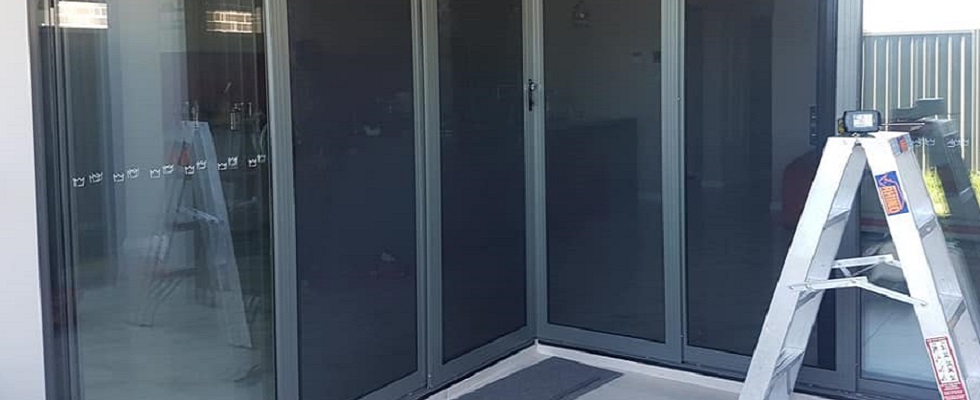


THE HILLS SECURITY DOOR 0451 001 060

THE HILLS SECURITY DOOR

0451 001 060

THE HILLS SECURITY DOOR / SECURITY DOOR THE HILLS

HE HILLS SECURITY DOOR / SECURITY DOOR THE HILLS 

BEST PRICE SECURITY DOOR / CHEAP SECURITY DOOR 

THE HILLS SECURITY DOOR / SECURITY DOOR THE HILLS 

BEST PRICE SECURITY DOOR / CHEAP SECURITY DOOR 

THE HILLS SECURITY DOOR / SECURITY DOOR THE HILLS 

BEST PRICE SECURITY DOOR / CHEAP SECURITY DOOR 

THE HILLS SECURITY DOOR / SECURITY DOOR THE HILLS 

BEST PRICE SECURITY DOOR / CHEAP SECURITY DOOR 

0451 001 060